
It’s a question I get asked almost every single day…
“How can I better support my thyroid so I don’t feel so dependent on medication?”
And if you’ve ever wondered that yourself — you’re not alone.
In fact, most people are told the same thing…
That once you start thyroid medication, you’re on it for life.

But here’s the part no one really talks about…
There’s emerging research suggesting that, for some people, certain lifestyle and environmental factors may influence how the body uses thyroid hormone.
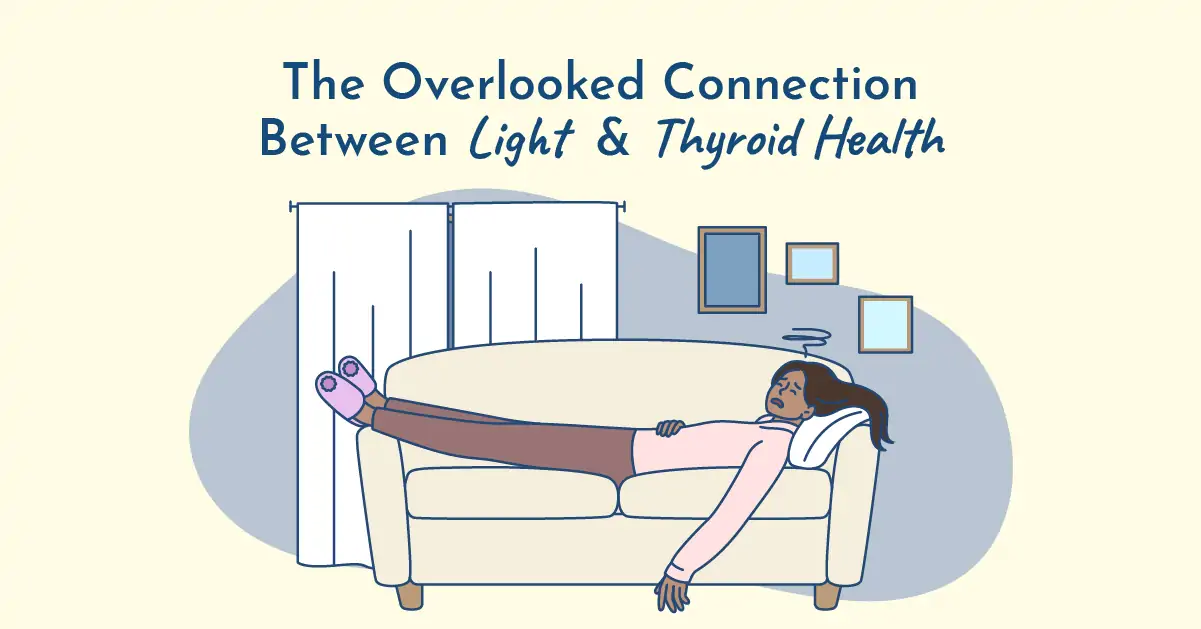
One of the most overlooked?
Light.
This is where red light therapy for thyroid health needs to become part of the conversation.
Now, I know what you’re thinking…
Light?
Sounds too simple to matter…
But the crazy thing is…
There are now thousands of studies exploring red light therapy — and that number continues to grow.
And while much of this research hasn’t made its way into mainstream conversations yet…
Some of the findings are hard to ignore.
We’re talking about observed changes in thyroid-related markers in certain study settings… shifts in how the body responds to thyroid hormone support…
Not because light replaces thyroid hormone… but because of what it may help your body do with it.
And that changes everything…
Why Your Thyroid May Not Be Responding — And Where Red Light Therapy Fits In
Here’s the problem…
Most thyroid advice is focused on one thing — giving your body more hormone.
But what if that’s not the real issue?
Because your thyroid health doesn’t just depend on how much hormone you have…
It depends on how well your body can use that hormone.
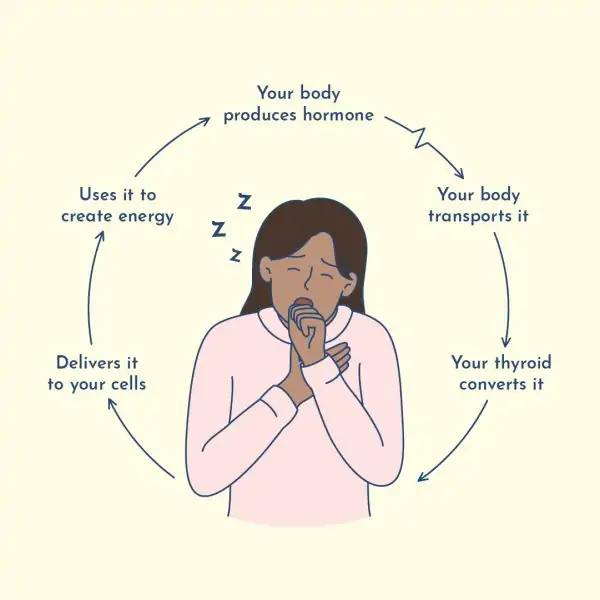
We call this the Thyroid Hormone Pathway.
It’s the full chain of events that has to happen before you ever feel better:
Your body produces hormone → transports it → converts it → delivers it to your cells → and finally uses it to create energy.
Miss one step…
And you can still feel exhausted, foggy, and stuck — even if your labs look “normal.”
So the real question becomes…
What helps your body actually use thyroid hormone more effectively?
That’s where light comes in.
And this is exactly why more people are exploring red light therapy for thyroid function as part of a more complete approach.
What Is Red Light Therapy for Thyroid Health — And Why Does It Matter?
LLLT stands for “low level light therapy.”
It uses specific wavelengths of red and near-infrared light to interact with your cells.
Now, you’ve probably seen some wild claims about red light devices…
Better skin… less pain… improved sleep…
And while a lot of that gets exaggerated… there’s actually a real mechanism underneath it.
Here’s what matters…
Light interacts with an enzyme in your cells called cytochrome c oxidase.
This interaction is one of the key reasons red light therapy thyroid research continues to grow.
Now don’t let that name intimidate you…
Think of it like this:
It’s one of the key “engines” your cells use to produce energy.
And when that engine isn’t working well?
Everything slows down…
Your metabolism… your energy… your recovery…
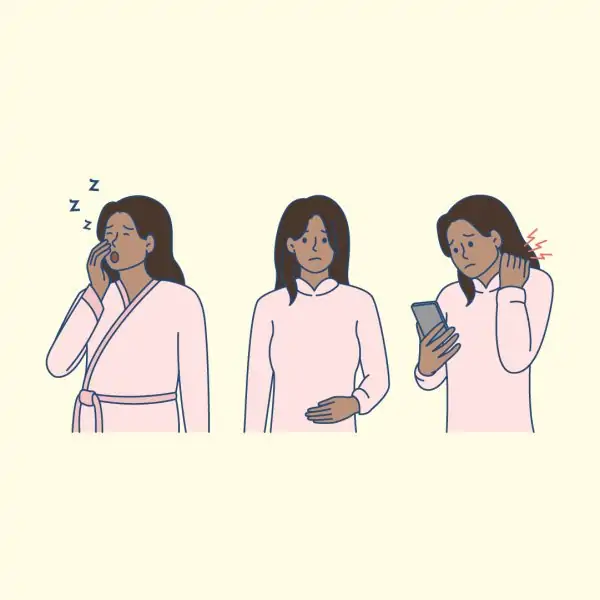
Sound familiar?
The interesting part is this…
This same enzyme is closely tied to how your body produces and uses cellular energy — which is also where thyroid hormone does much of its work.
In other words… we’re not talking about replacing thyroid hormone.
We’re talking about supporting the environment your body needs to actually use it properly.
In other words, red light therapy for thyroid support isn’t about adding more hormone — it’s about helping your body use what’s already there.
And for many people…
That’s the missing piece.
The Real Reason Red Light Therapy Matters for Thyroid Health Today
Now here’s where things get even more interesting…
Because there are a number of factors today that can interfere with this process:
- Chronic stress
- Poor sleep
- Excess dietary PUFAs
- Estrogen dominance
- Low nutrient status
- And one of the biggest… lack of light exposure
Think about it…
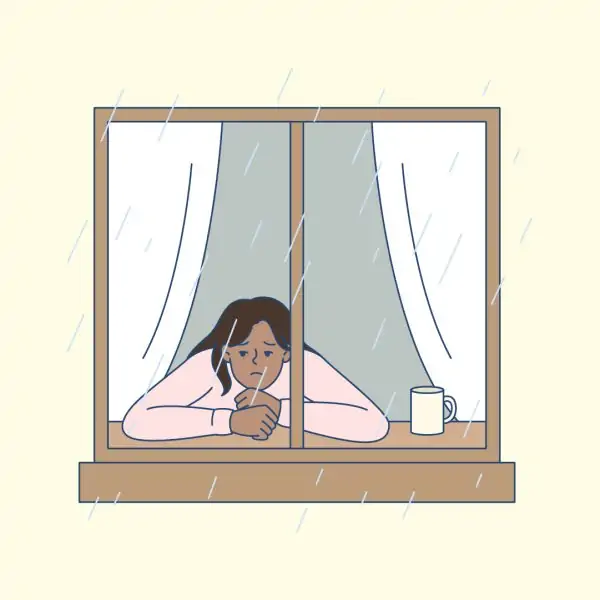
How much time do you spend outdoors during the day?
How often are you exposed to natural sunlight — especially in the winter months?
If you’re like most people…
Not nearly enough.
And that matters more than you’ve probably been told.
Because when your body isn’t getting the signals it expects — like light — it adapts.
It slows things down…
Conserves energy…
And over time, that can show up as the exact symptoms you’ve been struggling with.
And no — it’s not your fault.
You’ve simply never been shown how all of this connects.
Choosing the Right Red Light Therapy Device for Thyroid Support
Now let’s clear something up…
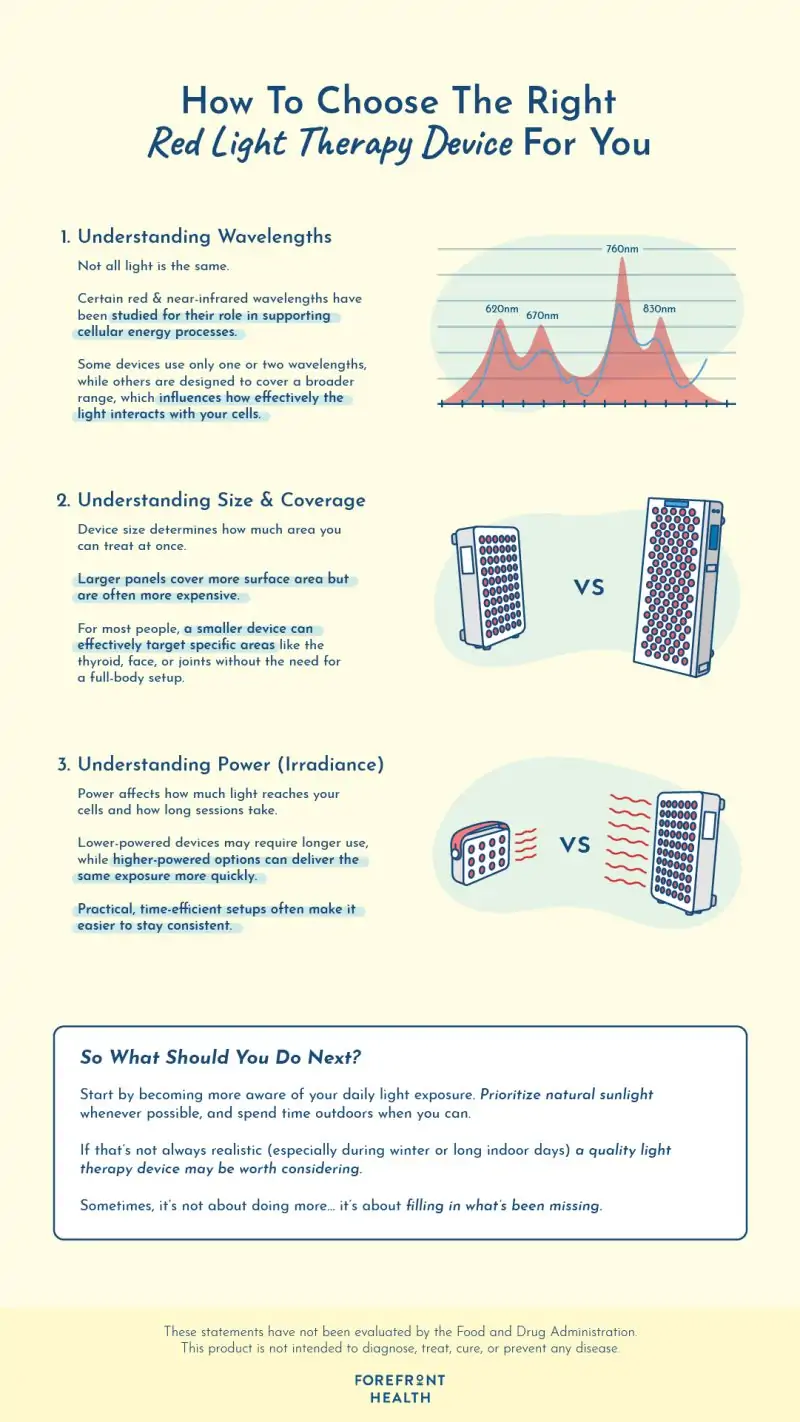
Not all light therapy devices are created equal.
Especially when it comes to choosing the right red light therapy device for thyroid support.
In fact, this is where most people get tripped up.
Because they assume…
Light is light.
But that’s not how your body responds to it.
First — Wavelengths Matter
Research has shown that certain wavelengths of red and near-infrared light are associated with supporting cellular energy processes — including the activity of cytochrome c oxidase.
Here’s the issue…
Many devices only use one or two wavelengths.
Which means they may only partially cover the range your cells respond to.
Some devices, on the other hand, are designed to include four specific wavelengths that align more closely with what’s been explored in research.
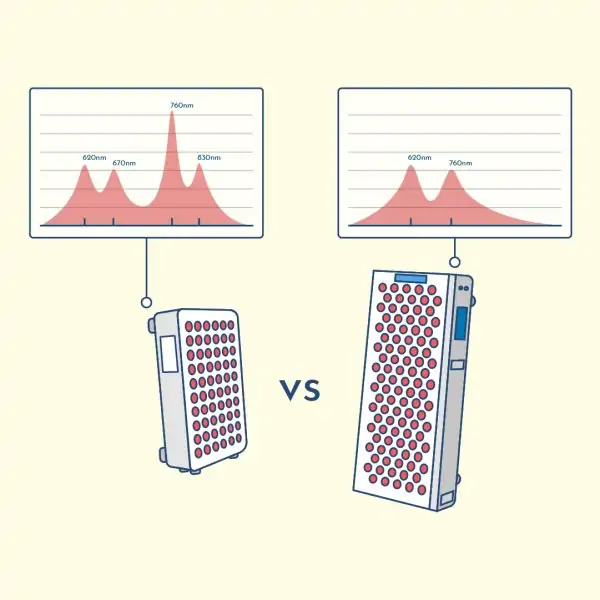
This is one of the key distinctions in red light therapy for thyroid function, and something most people overlook.
In other words…
Instead of hitting part of the target…
They aim to cover the full range.
And that can make a meaningful difference in how the light interacts with your cells.
Second — Size and Coverage
The size of the device determines how much area you can treat at once.
Larger panels can cover more of the body…
But they also come with a much higher cost.
For most people…
You don’t need a full-body system.
Targeted areas — like the thyroid, face, or joints — can often be addressed with a smaller, more practical setup.
Third — Power (Irradiance)
Power determines how much light actually reaches your cells.
And more importantly…
How long you need to use it.
Lower-powered devices may require longer sessions…
While higher-powered devices can deliver the same exposure in less time.
Which matters when you’re trying to stay consistent.
Because let’s be honest…
If something takes too long, it usually doesn’t get done.
What Else Can Red Light Therapy Support Beyond Thyroid Health?
Now this is where things start to open up…
Because ongoing research is exploring how red light therapy may support a wide range of health-related functions.
Which is part of the reason interest in red light therapy thyroid applications continues to expand.
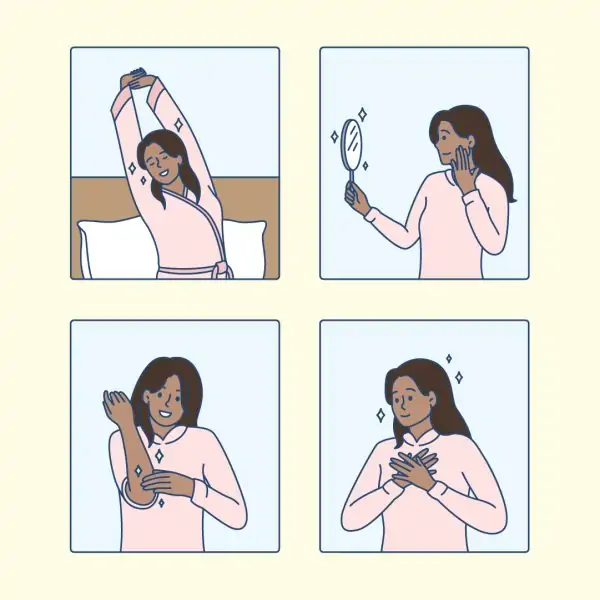
We’re seeing studies look at areas like:
- Sleep quality
- Skin health
- Joint comfort
- Recovery and resilience
- Overall well-being
And the crazy thing is…
We’re still only scratching the surface of what light exposure may influence in the body.
Which is why more and more people are starting to pay attention.
Not as a magic fix… but as a foundational input your body has been missing.
The Real Reason Red Light Therapy Matters for Thyroid Health Today
Here’s what it all comes back to.
If your body isn’t producing energy efficiently…
Everything feels harder.
And one of the biggest hidden drivers of that?
Stress.
Because when your body is under stress… it shifts into survival mode.
It slows metabolism…
Conserves energy…
And makes it harder to move forward — no matter what else you try.
Now remember what we talked about earlier…
That cellular “engine” — cytochrome c oxidase?
Stress can interfere with it.
Which means even if you’re doing everything “right”… your body may still struggle to produce the energy you need.
This is why we look at support from multiple angles.
Not just hormone levels… but the entire environment your body is operating in.
And this is where light therapy fits in.
Because by supporting cellular energy processes… it may help support a healthy metabolism over time.
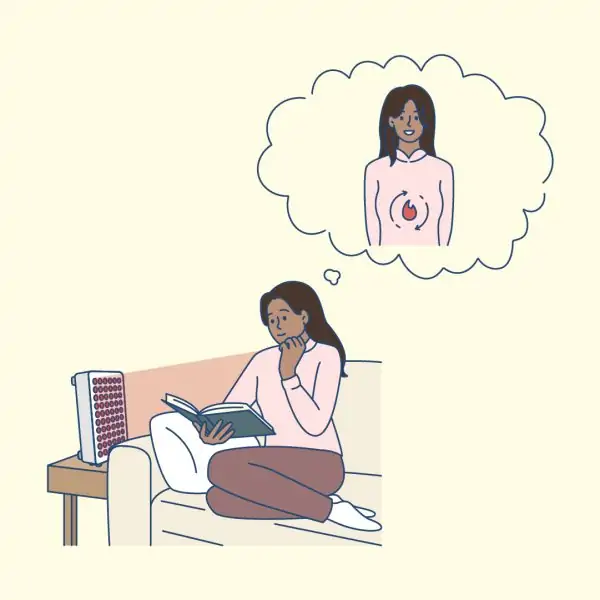
This is where red light therapy for thyroid health may play a supportive role as part of a broader strategy.
It’s simple…
Non-invasive…
And easy to incorporate into your routine.
Which makes it one of the most overlooked tools we see today.
So What Should You Do Next?
Start by paying attention to your light exposure.
Get outside when you can…
Prioritize natural sunlight…
And if that’s not realistic — especially during winter or long indoor workdays… then exploring a quality light therapy device may be worth considering.
Because sometimes, it’s not about doing more.
It’s about filling in what’s been missing all along.

KEY IDEA
Most thyroid advice focuses on adding more hormone… but what if the real issue is how your body uses it? This post explores how red light therapy may support the Thyroid Hormone Pathway by influencing cellular energy production — specifically through an enzyme called cytochrome c oxidase. When this process slows down, symptoms like fatigue, brain fog, and weight gain can persist even with “normal” labs. Modern life — stress, poor sleep, and low light exposure — may make this worse. By supporting how your body produces and uses energy, red light therapy may help support a healthier metabolism and a more complete approach to thyroid health.