
There’s a lot more to your thyroid medication than you might realize.
Sure, as with most medications and drugs today, we’re led to believe that all we have to do is pop a pill and somehow it just magically works as expected and everything will be OK.
But what happens when it doesn’t?
Well, the reality is that in the case of thyroid medications, many people continue to struggle despite doing everything they’ve been told to do…
…which is why today we’re NOT going to be talking about medical theory that sounds great on paper.
Instead, we ARE going to be covering the practical experience – the good, the bad, and the ugly of thyroid medications and how they actually work in the real world.
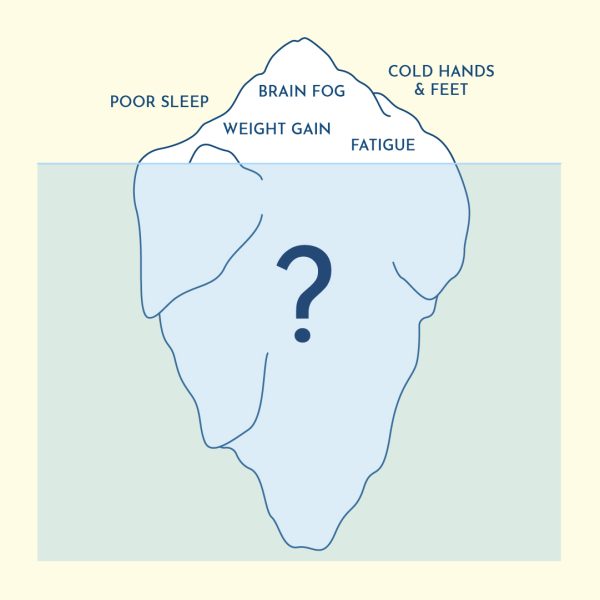
Because if you’re still dealing with fatigue, brain fog, weight gain, poor sleep, cold hands and feet, or other thyroid symptoms despite taking your medication…
…then there’s a good chance nobody has explained what’s really going on beneath the surface.
And here’s the crazy thing…
For many thyroid sufferers, the issue isn’t simply whether they’re taking thyroid hormone.
It’s whether their body can properly respond to and use it.
Let’s take a closer look.
How to Find the Best Thyroid Medication for Your Needs
When working with clients, we sometimes spend a good amount of time discussing what options might work best for them.
And in most cases, I find they’re either using the wrong medication…
…or using the right medication in the wrong way.
I’ve worked with many clients who have reported positive experiences after changing medication approaches.
In case you missed that, let me repeat:
A different medication approach.
When it comes to thyroid medications and supplements, there’s no one best option that works for everyone.
I wish there was, but there’s not.
In fact, one of the biggest misconceptions is believing there is a single best thyroid medication for everyone.
The type of medication or supplement that works best for you can be highly individualized depending on what’s happening throughout your Thyroid Hormone Pathway.

In other words, determining what works best often requires some experimentation and careful observation of how your body responds.
We see this in many areas of healthcare.
Yet when it comes to thyroid health, many people are still told that one medication should work equally well for everyone.
Unfortunately, real life rarely works that way.
While this isn’t designed to be a comprehensive list of every available thyroid medication option…
…let’s cover the most commonly used thyroid medications and discuss some of the strengths and limitations of each.
Understanding the different thyroid medication options available can make it easier to have informed conversations with your healthcare provider.
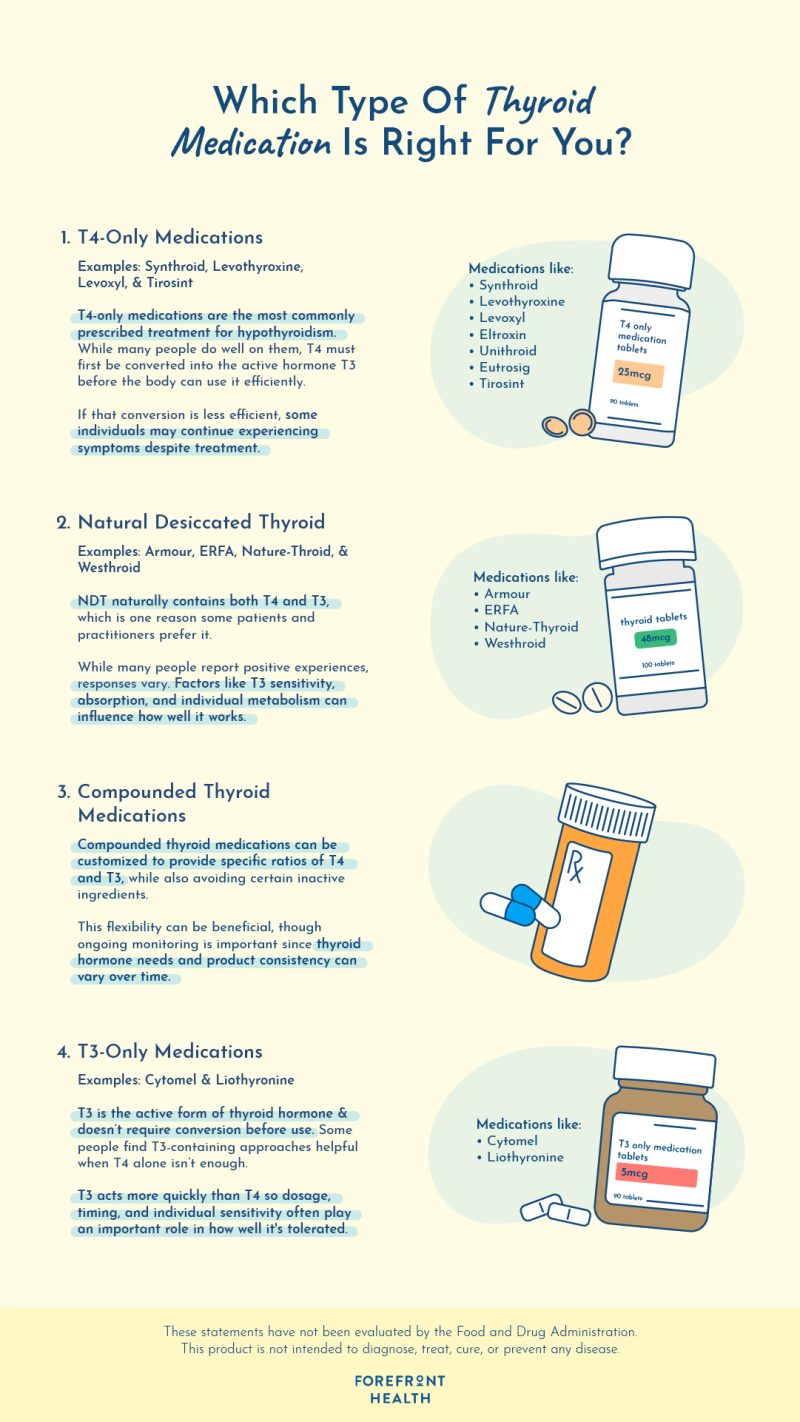
1. T4-Only Medications: The Most Common Thyroid Medication Option
Common examples include:
- Synthroid
- Levothyroxine
- Levoxyl
- Eltroxin
- Unithroid
- Eutrosig
- Tirosint
T4-only medications are by far the most commonly prescribed thyroid medications used today.
For many, these medications are the first form of thyroid hormone replacement prescribed after a hypothyroidism diagnosis.

For some, they work reasonably well.
For others…
…not so much.
The Good
T4 is one of the primary hormones naturally produced by your thyroid gland.
In situations where thyroid hormone production is low, T4 replacement can be an important tool.
And for some individuals, T4-only medications provide enough support to help them feel noticeably better.
When that happens, great.
The goal is always to find the approach that helps you feel and function your best.
The Bad
Here’s the problem…
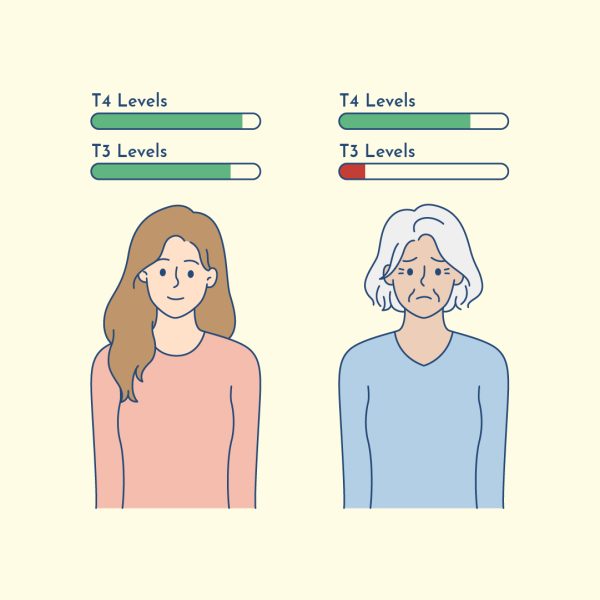
T4 is not the primary hormone your cells use for energy production.
Before it can be used efficiently, much of it must first be converted into T3 – the more active form of thyroid hormone.
This difference between T3 and T4 is one reason the T3 vs T4 thyroid medication discussion remains a topic of interest among patients and practitioners alike.
A significant portion of this conversion occurs in the liver and other tissues throughout the body.
Because the liver plays an integral role in thyroid health, many people with thyroid issues may also benefit from liver support too.
And when thyroid hormone conversion isn’t occurring as efficiently as expected, some people continue to experience symptoms despite taking their medication.
This is a common factor that contributes to why some people continue to experience symptoms despite treatment.
The Ugly
Research continues to explore why some individuals respond differently to T4-only medications.
And while some people do very well with T4-only medications…
…others continue searching for answers.
This is one reason why some patients continue to search for alternatives when symptoms don’t improve.
As a result, many begin researching levothyroxine alternatives and other thyroid medication approaches.
The bottom line?
T4-only medications don’t work for everyone, with many reporting mixed experiences.
And that’s important to understand.
Because if you’re still struggling despite taking your medication, it doesn’t automatically mean you’re doing something wrong.
It may simply mean there’s more to the story.
2. Natural Desiccated Thyroid (NDT): A Popular Alternative Thyroid Medication
Examples include:
- Armour
- ERFA
- Nature-Throid
- Westhroid
Natural Desiccated Thyroid medications have been used for over 100 years and were widely used long before synthetic thyroid medications became popular.
It is derived from animal thyroid tissue and naturally contains both T4 and T3.
Because of its origin, many people consider NDT to be a more natural thyroid medication option compared to synthetic alternatives.
The Good
One of the biggest benefits of desiccated thyroid is that it contains both major thyroid hormones naturally produced by the thyroid gland.
That’s one reason many practitioners prefer desiccated thyroid.
And it’s also one reason some patients report positive experiences after switching from T4-only medications.

Research has also reported higher patient satisfaction among some desiccated thyroid users compared to certain alternatives.
The Bad
Like every thyroid medication, desiccated thyroid isn’t perfect.
Some people respond very well.
Others do not.
And when someone doesn’t respond well, it’s important to avoid assuming the medication itself is always the problem.
In many cases, individual factors may influence how someone responds to a medication.
The Ugly
One common challenge involves sensitivity to T3.
Some people notice symptoms such as:
- Increased heart rate
- Feeling wired
- Anxiety
- Feeling overstimulated
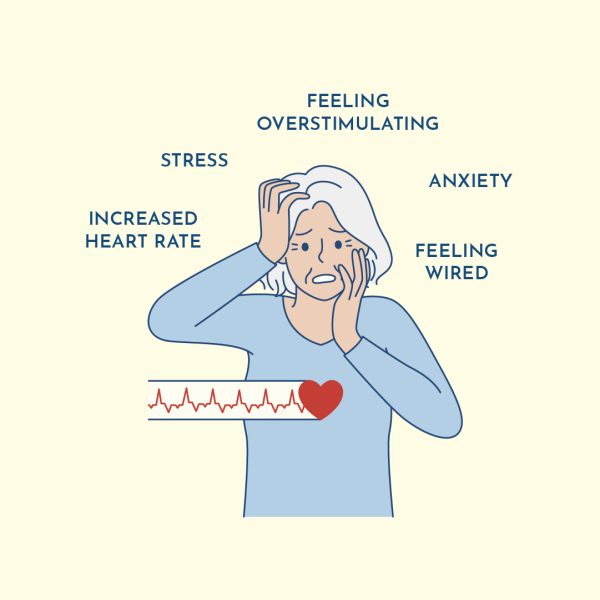
If you’ve experienced this, you know exactly what we’re talking about.
These experiences are often discussed as potential thyroid medication side effects, particularly when dosage or timing isn’t optimized.
The crazy thing is…
Many people assume this means they should avoid T3 altogether.
Not necessarily.
Stress hormones may be one factor that influences how some people respond to T3-containing medications.
Addressing contributing factors may help improve how some people respond to thyroid hormone.
Another issue is absorption.
Some people simply don’t absorb certain thyroid medications efficiently due to fillers, binders, or digestive challenges.
And if you can’t absorb the thyroid hormone…
…it’s difficult to benefit from it.
3. Compounded Thyroid: A Customized Thyroid Medication Option
Compounded thyroid medications are customized through a compounding pharmacy.
These formulas can contain T4, T3, or both.
The Good
One of the biggest benefits is flexibility.
Compounding pharmacies can adjust the ratio of T4 and T3 to better fit an individual’s needs.
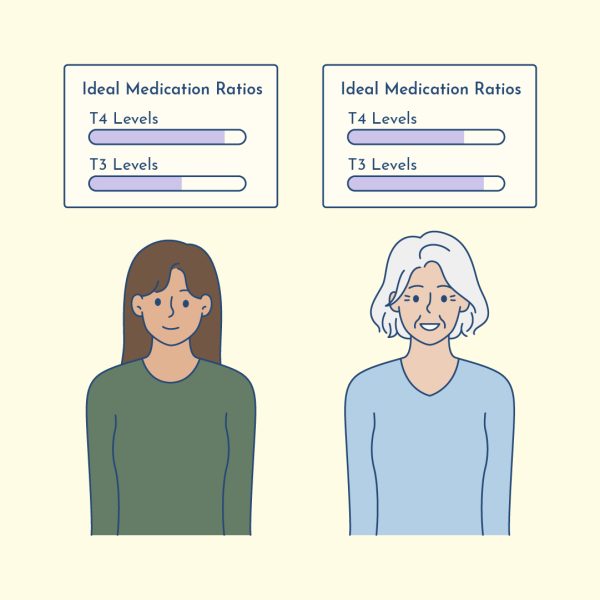
They can also remove certain inactive ingredients that some people prefer to avoid.
For those with ingredient sensitivities, this can be a meaningful advantage.
The Bad
The challenge is that thyroid hormone needs aren’t always static.
Stress, lifestyle changes, and other factors can influence how someone responds over time.
What works well today may need adjustment in the future.
That’s why ongoing monitoring and observation are often important.
The Ugly
Product consistency can vary between compounding pharmacies.
In some cases, there may be differences from batch to batch.
Because of this, some people prefer more standardized options.
Again, individual response matters.
4. T3-Only Medications: When Active Thyroid Hormone Is Used
Examples include:
- Cytomel
- Liothyronine
T3 is often considered the more active form of thyroid hormone.
Unlike T4, it does not require the same conversion process before it can be used.
Because T3 is the active thyroid hormone, it is often discussed separately from T4-based approaches.
The Good
One major advantage of T3-only medications is flexibility.
Dosages can be adjusted more precisely and timing can often be customized.
Some people report better results with approaches that include T3, particularly when T4-only medications haven’t provided the improvements they were hoping for.
Many of my clients have favored this approach among all others.
This is one reason many thyroid sufferers consider switching thyroid medication when they aren’t getting the results they expected.
The Bad
T3 remains controversial in some medical circles.
As a result, many patients find it more difficult to obtain.
And even when it is prescribed, there is often considerable variation in how it is used.
In cases where one doesn’t respond well to T4, practitioners may want to consider including T3.

The Ugly
Just as with desiccated thyroid, some individuals are more sensitive to T3 than others.
Too much at one time can leave some people feeling overstimulated.
This is why dosage and timing often matter.
You may benefit from adjusting the dosage to best fit your needs.
And as always, any medication adjustments should be discussed with your healthcare provider.
Which Thyroid Medication Is Best?
That’s a fairly comprehensive overview of thyroid medications.
And hopefully one thing is now clear…
There is no one-size-fits-all thyroid medication.
That’s why the best thyroid medication for hypothyroidism is often the one that best matches an individual’s unique needs, symptoms, and response.

What works beautifully for one person may not work nearly as well for another.
That’s why blindly increasing medication isn’t always the answer.
And it’s why understanding the entire Thyroid Hormone Pathway matters.
Because thyroid health isn’t simply about getting thyroid hormone into your body.
It’s about helping your body respond to and use that thyroid hormone effectively.
That’s the piece many people are never taught.
So if your thyroid medication isn’t working the way you hoped…
…don’t assume you’re out of options.
Instead, start asking better questions.
Explore whether your current approach is truly the best fit for you.
And if your doctor isn’t open to discussing all available options, you may want to seek a second opinion from a practitioner who is willing to explore different approaches with you.
Because feeling normal again shouldn’t be considered too much to ask.

KEY IDEA
Not all thyroid medications work the same — and what works well for one person may not work for another. This guide explores the strengths and limitations of today’s most common thyroid medication options, including T4-only medications, Natural Desiccated Thyroid (NDT), compounded thyroid, and T3-only approaches. Along the way, you’ll learn why some people continue to struggle despite taking thyroid medication, how thyroid hormone conversion and utilization may influence results, and why finding the best thyroid medication often comes down to your individual needs and response. If you’ve been searching for answers, this real-world guide can help you better understand your options and next steps.