
This is Part 2 of a 3-part series on supporting thyroid health:
- Part 1 – The 5 Hidden Steps to Optimizing Your Thyroid Health (That Most People Miss)
- Part 2 – [You Are Here] – Why Your Liver May Hold the Key to Better Thyroid Health
- Part 3 – The Low-Carb Diet Myth — And the Hidden Cost to Your Thyroid
This is the difference.
The difference between feeling stuck on the same loop — searching, guessing, wondering — and finally understanding what may be happening beneath the surface.
Your Liver.
Most conversations about thyroid health begin — and end — with the thyroid gland itself.
What often gets missed is that your thyroid doesn’t work alone.
Your body relies on a full pathway to keep energy moving, hormones circulating, and metabolism feeling steady.
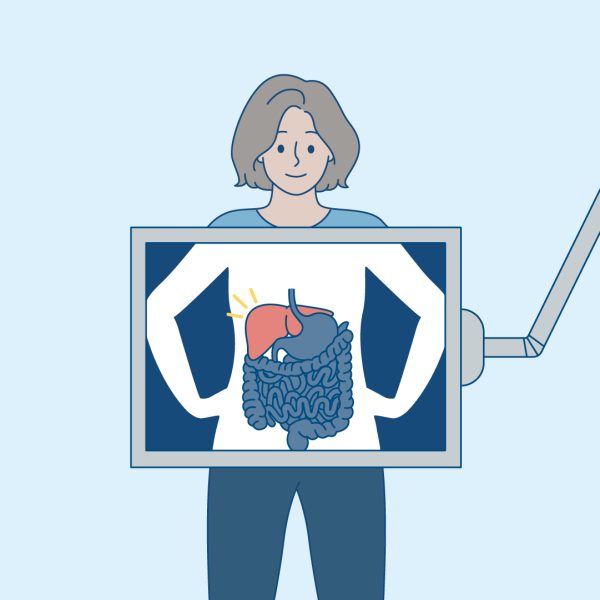
And your liver is one of the most important contributors to that pathway — far more than most people realize.
It’s well-documented in research, yet rarely talked about in everyday thyroid conversations.
So if you’re looking for ways to support your thyroid health from a broader, whole-body perspective, the liver is a great place to start.
And that’s where we can help.
Below, you’ll find three simple, research-informed ways to support your liver — and by extension, the overall thyroid-hormone pathway it contributes to.
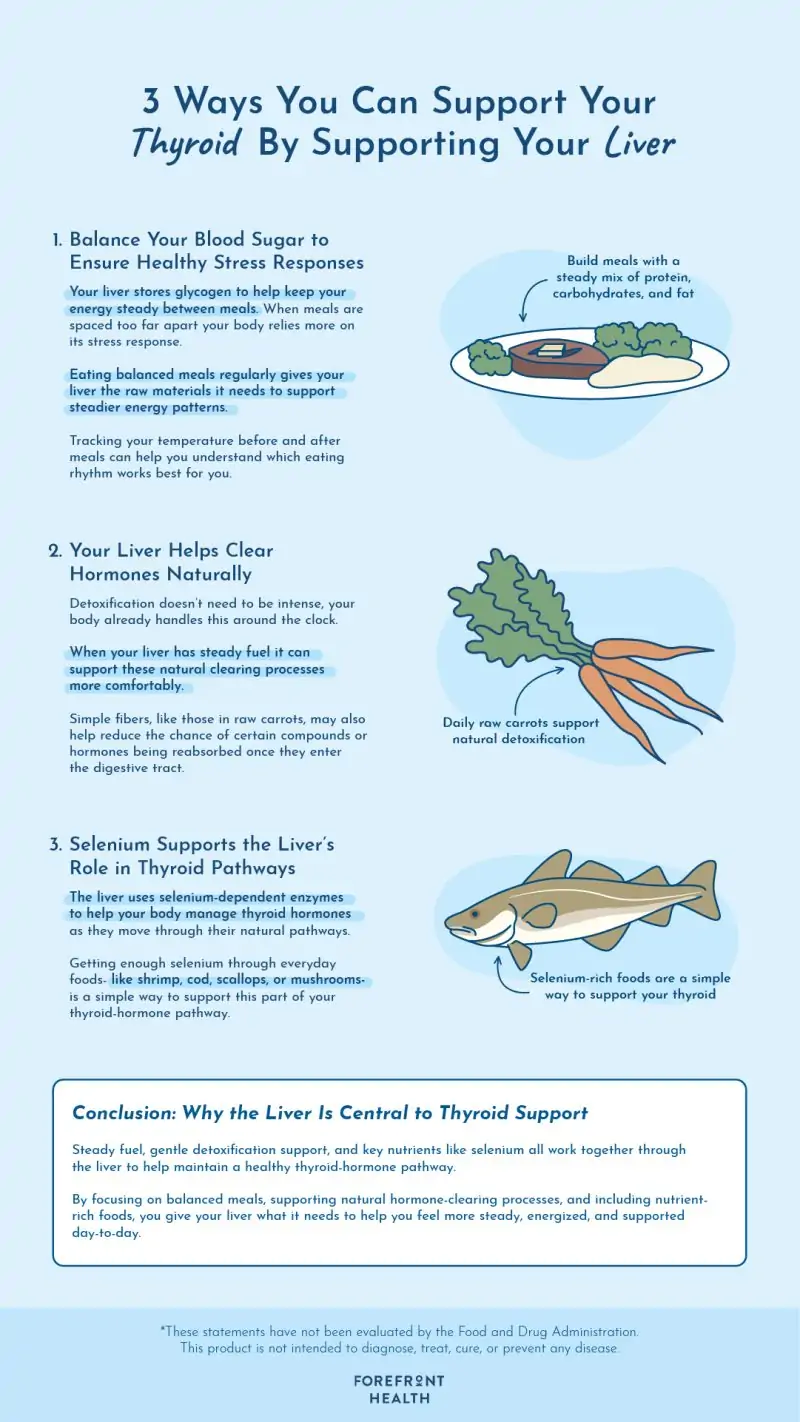
1. Balance Your Blood Sugar to Maintain a Healthy Stress Response
Here’s something many people don’t realize:
Your liver plays a key role in how your body maintains steady energy between meals.
It stores a form of carbohydrate called glycogen, which your body naturally draws on to help keep your energy and metabolism feeling steady throughout the day.
But when the liver has limited glycogen available — such as when meals are spaced too far apart or don’t provide enough easily used fuel — your body leans on its built-in stress response to keep things going.
Researchers have also observed that certain stress hormones are associated with shifts in thyroid-related pathways, highlighting how closely connected your stress response and thyroid-hormone pathway truly are.
That’s why balanced, consistent eating habits can make such a meaningful difference.
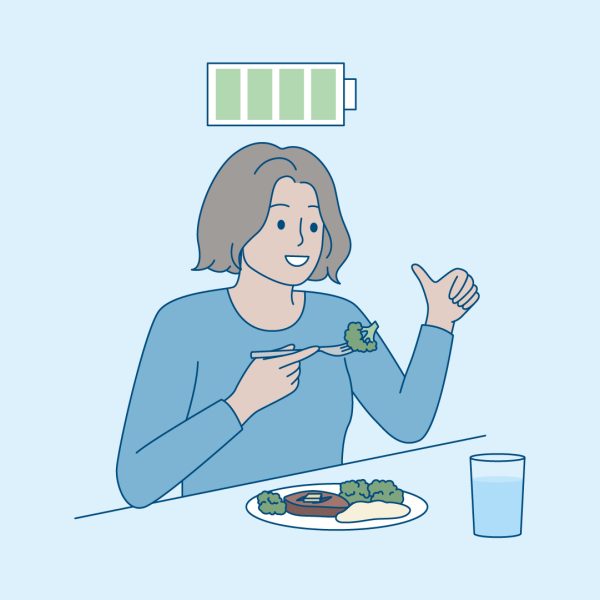
When you build meals with a steady mix of protein, carbohydrates, and fat, you’re giving your liver the raw materials it needs to support comfortable energy patterns — which in turn helps your body rely less on the stress response throughout the day.
This is something we touch on in our 3 Food Triple-Thyroid-Boosting Daily Protocol, where we show you how to use three common foods to support healthy energy patterns and the thyroid-hormone pathway.
You can download this daily protocol here.
Meal frequency matters, too.
Some people feel best eating every few hours, while others naturally go longer before their energy begins to dip.
One simple way to better understand your own rhythm is by tracking your temperature before and after meals:
- Notice the difference from before your meal to after.
- Then notice the difference from the end of one meal to the beginning of the next.
Some people observe that their temperature drops in one or both of these scenarios. For them, this may suggest that adjusting meal ratios or eating a bit more frequently helps support a steadier energy pattern.
Think of this as a simple feedback tool — a way to understand how your body responds to the meals you eat and the timing of those meals, and how you can tailor both to support your overall thyroid-hormone pathway.
And while supporting healthy glycogen availability is important for maintaining a calm, balanced stress response, it also plays another key role to…
2. Support the Healthy Detoxification of Hormones
We approach detoxification a little differently — and for good reason.
Many people think detoxification should be dramatic or intense, almost like flipping a switch.
But your body already has its own built-in detoxification systems working quietly around the clock.
The real key is giving those systems the support they need, not pushing them harder than they’re designed to go.
That’s why we focus on gentle, physiology-friendly approaches rather than “forcing” detoxification.
More aggressive methods can create unnecessary demand on the very systems they’re meant to support.
A better approach is to create conditions that help your natural detoxification processes work comfortably and efficiently.
One of the liver’s important detoxification pathways is called glucuronidation.
Glucuronidation makes certain compounds — including hormones like estrogen and cortisol — more water-soluble so they can be carried out of the body through the urine.
To fuel this pathway, the liver relies on glucuronic acid, which is produced in part from glycogen.
So the same glycogen that helps maintain steady energy between meals also contributes to your liver’s ability to support healthy hormone detoxification.
Since estrogen can influence multiple steps of the thyroid-hormone pathway, supporting your body’s natural hormone-clearing processes helps ensure it continues to move out of the body rather than recirculating.
Alternatively, these hormones tend to travel into your digestive tract via the bile, where they can be more easily re-absorbed.
Simple fibers, like the kind found in raw carrots, can help support their natural elimination.
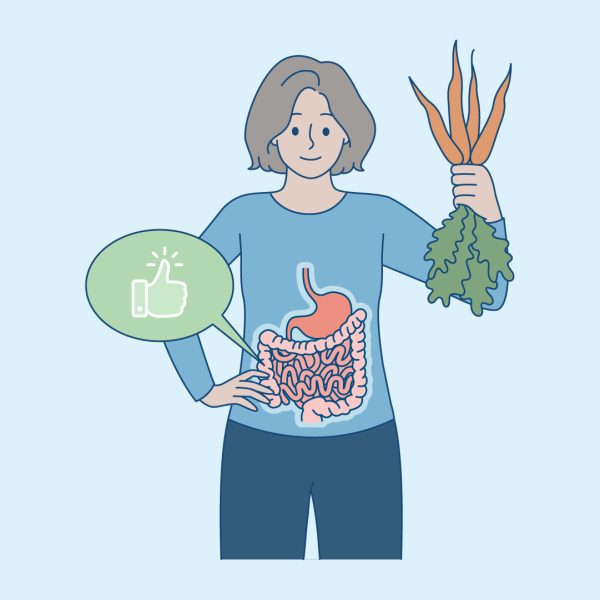
Dr. Raymond Peat often highlighted this idea, noting that certain fibers may help reduce the likelihood of compounds being re-absorbed once they enter the digestive tract.
This is one reason why simple foods like a daily raw carrot can be a helpful addition to supporting your body’s natural detoxification processes and your thyroid-hormone pathway.
And while detoxification support is essential, your liver also needs the right nutrients to help keep your thyroid-hormone pathway running smoothly — starting with this important nutrient.
3. Source Your Selenium
One of the most important nutrients your liver depends on to support its role in your thyroid hormone pathway is selenium.
Research shows that selenium-containing enzymes help support how your body handles thyroid hormones as they move through their normal pathways.
Because the liver is a major site where many of these pathways occur, having enough selenium in your diet helps give your body what it needs to carry out these processes comfortably and efficiently.
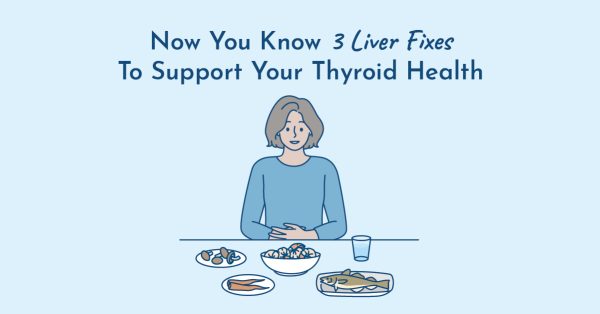
Fortunately, selenium is found in a variety of everyday foods. Some naturally rich options include:
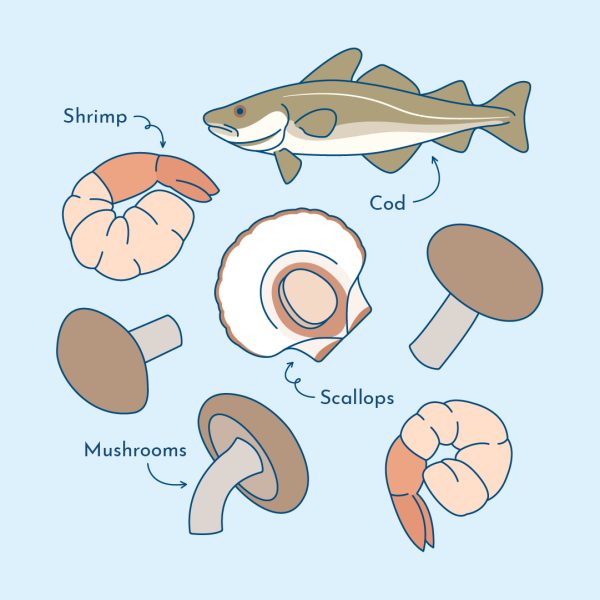
- Shrimp
- Cod
- Scallops
- Mushrooms
Including selenium-rich foods like these as part of your normal diet is a simple way to support your body’s natural thyroid-hormone pathway and the liver’s role within it.
Can You See the Recurring Theme?
When you step back and look at the full picture, a clear theme emerges:
Your liver plays a much bigger role in your thyroid-hormone pathway than most people ever realize.
Yes, it’s all about supporting your liver.
Yes, it’s all about supporting your thyroid health.
And yes — it’s also about simple, practical changes to your diet.
Taken together, these ideas show just how meaningful a role your diet can play in supporting your thyroid-hormone pathway and the liver’s part within it.
And in the 3 Food Triple-Thyroid-Boosting Daily Protocol, we’ll show you exactly how to start using simple, everyday foods to support your thyroid-hormone pathway — so you can experience how meaningful the right dietary foundations can be for your thyroid health.
It’s a straightforward, approachable protocol we recommend to all of our clients.
Learn more about the 3 Food Triple-Thyroid-Boosting Daily Protocol here.
KEY IDEA
Your thyroid doesn’t work alone — it relies on a broader pathway that includes your liver, which can be influenced by your stress response, hormones, and even the food you eat each day. In this post, you’ll explore how meaningful your liver’s role is in the thyroid-hormone pathway and simple ways to support it.
You’ll learn how steady blood sugar helps maintain a calm stress response, why gentle detoxification supports the natural handling of everyday hormones, and how key nutrients like selenium play an important role in these processes. Together, these insights reveal how small daily habits and thoughtful food choices can help create a healthier internal environment for your thyroid-hormone pathway.