
Your diet has a much bigger impact on your thyroid than you probably realize.
Sure…
You’ve probably been told that changing your diet won’t make much of a difference.
That once you’re on medication, that’s it — end of story.
But here’s the problem…
When you actually look at the research, it tells a more complicated story.
For example:
One study states… “It is apparent from these studies that the caloric content as well as the composition of the diet, specifically, the carbohydrate content, can be important factors in regulating the peripheral metabolism of thyroid hormones.”
Other studies have shown that very low-carbohydrate diets are associated with changes in active thyroid hormone levels and reverse T3.
In other words…
What you eat — and how you eat it — can influence how efficiently thyroid hormones are converted and utilized within the body.
And yet most people struggling with thyroid symptoms are told diet doesn’t matter.
That’s the crazy thing.
Now, to be clear — we’re not saying food replaces medical care.
We are saying this:
Your dietary patterns may influence how efficiently your Thyroid Hormone Pathway functions.
And if you’re exhausted, cold, gaining weight easily, or feeling like you’re dragging yourself through the day…

You deserve to understand how this works.
Because “eat healthy” isn’t enough.
It never was.
There are 3 essential thyroid diet rules that make the real difference.
And most people completely miss them.
The last one is a real difference maker.
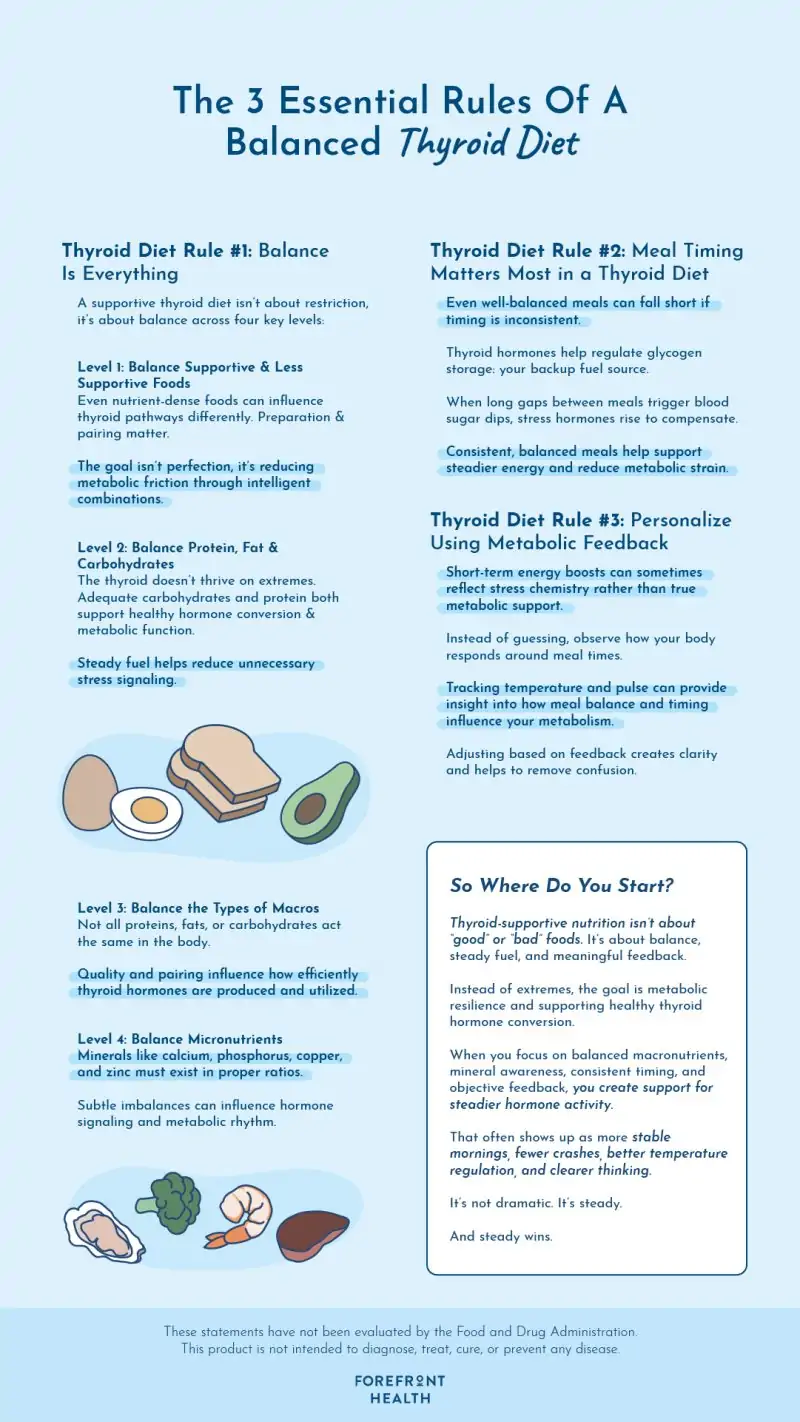
Thyroid Diet Rule #1: The 4 Levels of Thyroid Nutrition Balance
Here’s what almost every diet conversation gets wrong…
It focuses on what to eat.
But it ignores balance.
And balance is everything.
If you want to support how thyroid hormones are converted and utilized, balance has to exist on four levels.
Let’s walk through them.
A well-designed thyroid diet isn’t about restriction — it’s about understanding how thyroid nutrition affects metabolism, hormone signaling, and energy production.
Level 1: Balance Supportive and Less Supportive Foods
Even nutrient-dense foods can contain compounds that influence thyroid pathways in different ways.
For example, an egg contains high-quality protein and fat-soluble nutrients known to support healthy thyroid function.
But depending on sourcing and preparation, it may also contain higher levels of polyunsaturated fats (PUFAs).
Does that mean eggs are “bad”?
Of course not.
It means pairing and preparation matter.
By cooking the egg in a more stable fat like butter, we can better balance the PUFAs and greatly reduce their unwanted effects.
The goal isn’t perfection.
It’s intelligent balance.
Minimize foods that create resistance along the Thyroid Hormone Pathway… and combine foods in ways that support metabolic efficiency.
Small adjustments here can make a noticeable difference in how steady you feel.
Level 2: Balance Protein, Fat, and Carbohydrates
Here’s where things get controversial.
Extreme dieting has become normal.
Low-carb. Ultra-low-fat. High-protein everything.
But your thyroid does not thrive on extremes.
Adequate carbohydrate intake plays a supportive role in normal thyroid hormone conversion and metabolic activity.
This is why many modern thyroid diet plans that eliminate carbohydrates entirely often fail to support long-term thyroid health.
In fact, very low-carbohydrate diets have been associated with changes in active thyroid hormone levels and metabolic markers in some individuals.
In plain English?
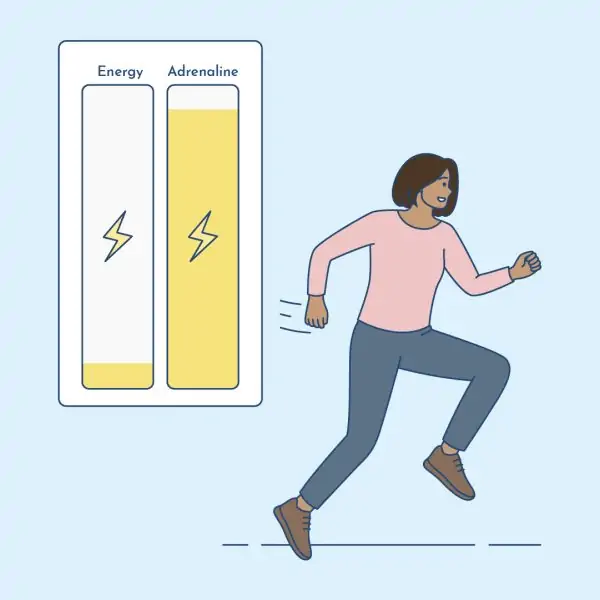
If your body doesn’t have steady fuel, it compensates.
And compensation often means elevated stress hormones.
(Note: If you’ve ever been told carbs are the enemy, you’ll want to read our breakdown of “The Low-Carb Diet Myth — And the Hidden Cost to Your Thyroid“.)
On the other side…
Similar to carbohydrates, adequate protein intake plays a supportive role in normal thyroid hormone conversion and metabolic function.
Research suggests many adults benefit from adequate daily protein intake — often in the range of 70 to 100 grams depending on body size and activity level.
Your liver — which helps convert T4 into active T3 — depends on sufficient protein AND carbohydrates to do its job efficiently.
So this isn’t about eliminating entire macronutrients.
It’s about balance.
Level 3: Balance the Types of Macros
You might not know this, but… not all proteins are the same.
Not all fats are the same.
Not all carbohydrates are the same.
Different amino acids, fatty acids, and carbohydrate sources interact differently with metabolic pathways involved in thyroid function.
For example, some amino acids have been shown in lab research to influence thyroid peroxidase activity — an enzyme involved in thyroid hormone production.
That doesn’t mean you avoid those amino acids entirely.
It means quality and balance matter.
This is where protein pairing becomes powerful.
When you intentionally combine protein sources to create a more favorable amino acid balance, you support the Thyroid Hormone Pathway — rather than unintentionally working against it.
The same applies to carbohydrates and fats.
Level 4: Balance Micronutrients
Here’s the layer most people never hear about.
Micronutrient balance may influence the Thyroid Hormone Pathway too.
Calcium and phosphorus must exist in proper ratios.
Copper and zinc must be balanced.
Modern diets often skew heavily toward one side of these ratios.
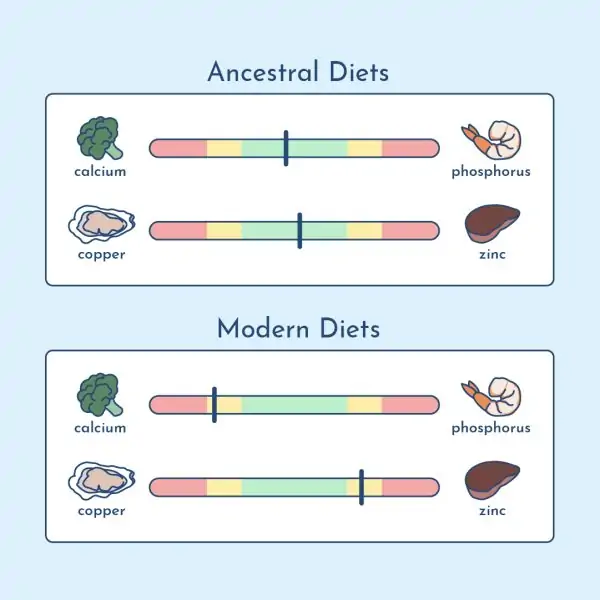
When mineral balance shifts, hormonal signaling can shift with it.
Again — this isn’t about megadosing supplements.
It’s about dietary awareness and balance.
Balancing all four levels creates a steadier metabolic foundation.
And that foundation is what separates a temporary diet from a sustainable thyroid diet strategy.
That foundation also changes how you feel day to day.
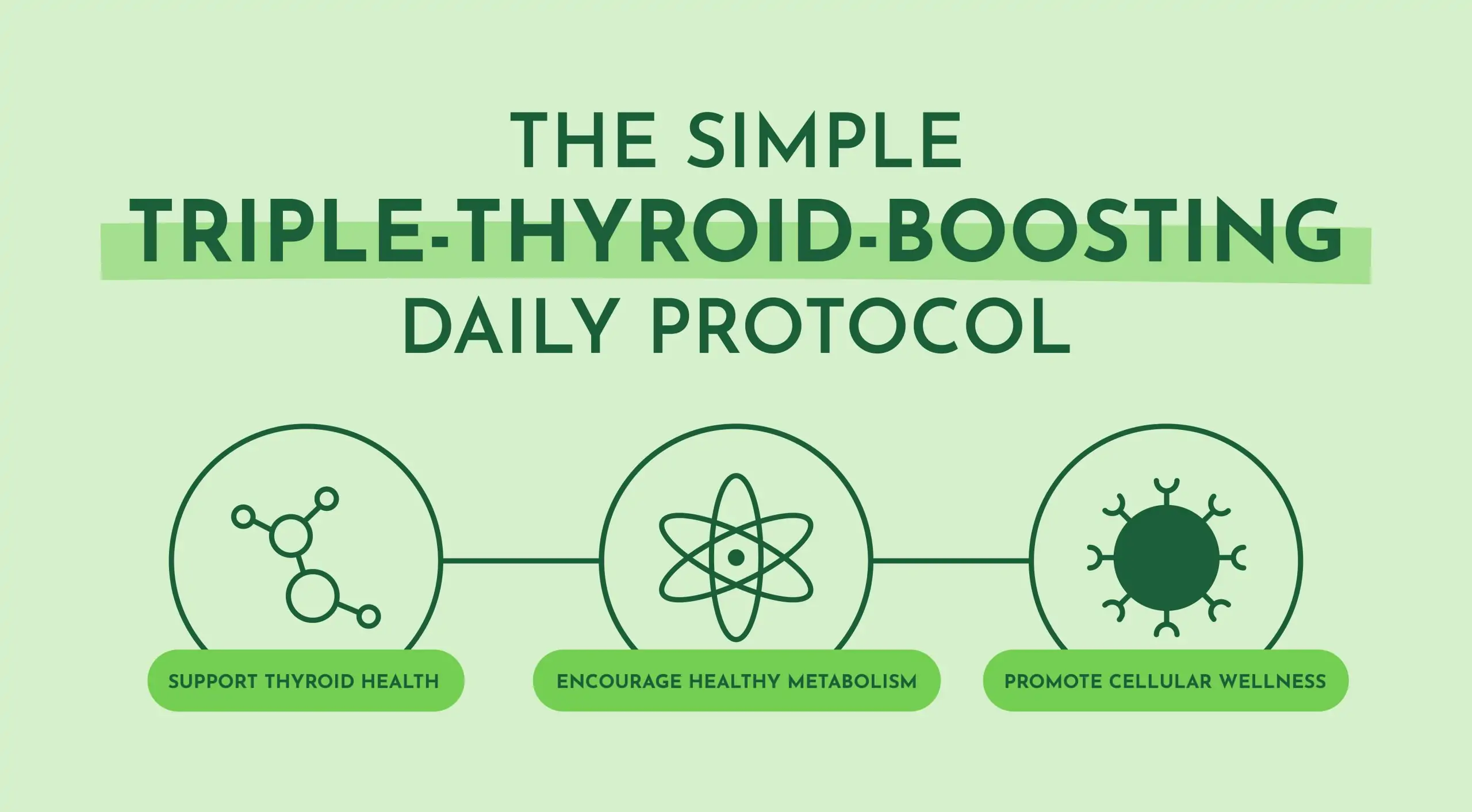
If you’re looking for a good place to start then make sure you check out the 3 Food Triple-Thyroid-Boosting Daily Protocol.

You can get all the detail about this simple diet protocol right here.
Thyroid Diet Rule #2: Why Meal Timing Matters in a Thyroid Diet
You can eat perfectly balanced meals…
But if your timing is off, you may still struggle.
Here’s why.
Thyroid hormones influence how your liver stores and releases glycogen — your body’s backup fuel source.
When fuel availability becomes inconsistent, stress hormones like adrenaline and cortisol rise to maintain blood sugar stability.
Those same stress hormones can influence thyroid hormone conversion efficiency.
In other words…
If you’re constantly running on stress chemistry, you may feel wired — but tired.
And over time?
You crash.

That’s why, for many people dealing with thyroid symptoms, smaller and more frequent meals can support steadier energy throughout the day.
This isn’t about eating constantly.
It’s about preventing dramatic dips that force your body into compensation mode.
Balanced meals.
Eaten consistently.
That combination matters more than most realize.
Thyroid Diet Rule #3: How to Personalize Your Thyroid Diet Using Metabolic Feedback
This one changes everything.
Most people judge a diet by how they feel in the first few days.
But adrenaline can feel like energy.
Until it doesn’t.
So how do you know if your approach is actually supporting your metabolism?
You measure.
Tracking temperature and pulse may help individuals personalize their dietary approach and monitor metabolic response.
It’s simple.
A thermometer.
A watch.
A few consistent measurements.
You can observe how your body responds to:
- Different meals
- Macronutrient balance
- Meal timing

Does your temperature rise steadily after eating?
Does your pulse remain stable between meals?
These patterns offer clues about how your metabolism is responding.
And when you adjust based on feedback — instead of guesswork — progress becomes far more predictable.
This is how we help clients move from frustration to clarity.
Structure removes confusion.
So Where Do You Start?
Here’s the big shift.
Thyroid-supportive nutrition is not about “good foods” and “bad foods.”
The best thyroid diet focuses on balance, metabolic resilience, and supporting normal thyroid hormone conversion — not extreme restriction.
It’s about balance.
Fuel availability.
And feedback.
When you support the Thyroid Hormone Pathway through balanced macronutrients, mineral awareness, consistent timing, and objective feedback…
You create an environment that supports healthy thyroid hormone conversion and utilization.
And that often shows up as:
- More stable mornings
- Fewer afternoon crashes
- Better temperature regulation
- Clearer thinking

It’s not dramatic.
It’s steady.
And steady wins.
If you want a structured place to begin, we’ve broken these principles down into a simple step-by-step starting point inside our 3 Food Triple-Thyroid-Boosting Daily Protocol.
Because knowing the rules is one thing.
Applying them consistently?
That’s where real change happens.
And that’s what we’re here to help you do.
KEY IDEA
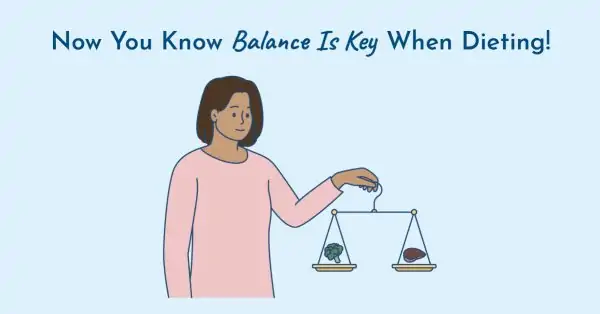
Most thyroid diet advice focuses on what to eat — but misses how balance, timing, and feedback actually influence hormone function.
This article breaks down the 3 essential thyroid diet rules that support normal hormone conversion and metabolic balance. First, balance your nutrition on four levels — from macronutrients to micronutrients. Second, understand why meal timing affects fuel availability and stress hormones. Third, use simple metabolic feedback, like temperature and pulse tracking, to personalize your approach.
A true thyroid diet isn’t about extreme restriction. It’s about creating steady conditions where hormones can function efficiently — leading to more stable energy, fewer crashes, and a metabolism that feels more predictable.