
Have you ever been told your thyroid labs look “normal”… but you still feel exhausted, foggy, moody, or just off?
You’re not imagining things.
And no — it doesn’t mean anything is “wrong with your head.”
This is one of the most confusing parts of navigating thyroid health.
You’re doing what you’re told.
You’re running the tests.
You’re following the “plan”.
Yet your body isn’t getting the memo.

Here’s the problem…
Most thyroid conversations are shaped by a few common thyroid health misconceptions that oversimplify how thyroid hormones actually work.
These misconceptions often center around lab testing, diet, medication, and lifestyle — and can leave many people feeling confused or discouraged when they don’t feel their best despite “normal” results.
Let’s walk through the biggest ones, so you can better understand what might be happening beneath the surface.
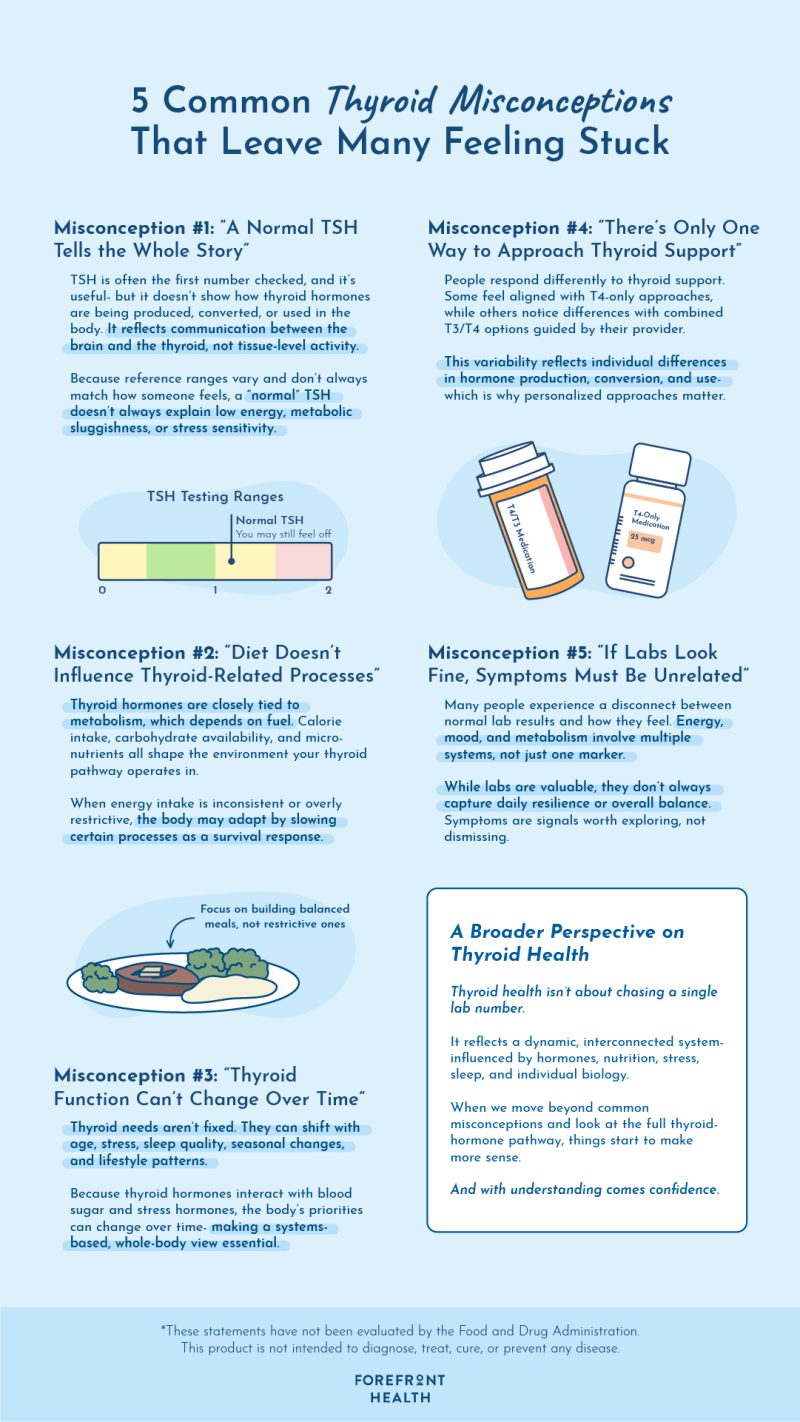
Thyroid Health Misconception #1: “A Normal TSH Tells the Whole Story”
TSH — or thyroid-stimulating hormone — is usually the first (and sometimes only) number checked when thyroid health is evaluated.
And to be fair, TSH is useful.
But here’s what often gets missed…
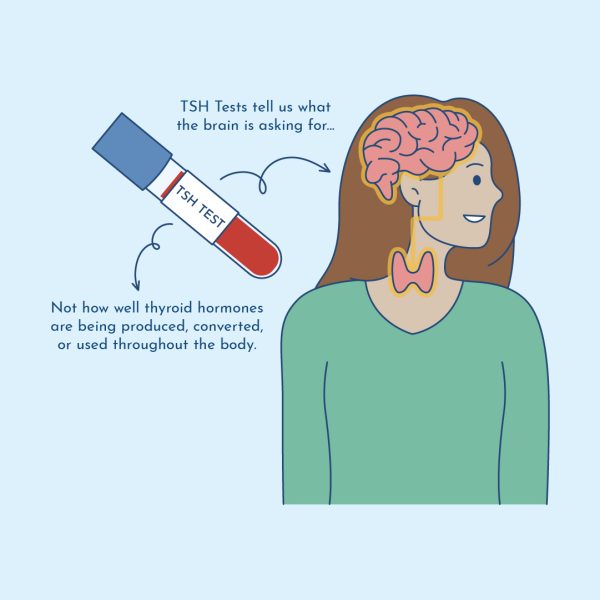
TSH doesn’t measure thyroid hormone activity in your tissues.
It measures signaling between your brain and your thyroid.
In other words, it tells us what the brain is asking for — not how well thyroid hormones are being produced, converted, or used throughout the body.
To make things even trickier, reference ranges can vary from lab to lab.
What’s considered “normal” on paper doesn’t always line up with how someone actually feels day to day.
That’s why many people with in-range TSH values still experience symptoms tied to low energy, sluggish metabolism, or poor resilience to stress.
Understanding where TSH fits within the broader thyroid-hormone pathway helps explain why a single number rarely tells the whole story.
Thyroid Health Misconception #2: “Diet Doesn’t Influence Thyroid-Related Processes”
You’ll often hear that food has little to do with thyroid health.
But when you zoom out and look at basic physiology, that idea doesn’t hold up very well.
Thyroid hormones are deeply connected to metabolism — and metabolism is influenced by things like:
- Calorie intake
- Carbohydrate availability
- Micronutrient status
In simple terms…
Your body needs fuel to create energy.
And thyroid hormones play a role in how that fuel is used.
When energy intake is inconsistent, overly restrictive, or missing key nutrients, the body may adapt by slowing certain metabolic processes.
That adaptation isn’t a failure — it’s a survival response.
This doesn’t mean diet replaces medical care.
It means nutrition is part of the environment your thyroid-hormone pathway operates in.
Ignoring that context can leave important pieces of the puzzle unexplored.
That’s why nutrition is such a priority in our work, and why we developed this simple three-food protocol to help support the dietary and metabolic processes that influence thyroid function.

You can download this daily protocol here.
Thyroid Health Misconception #3: “Thyroid Function Can’t Change Over Time”
Another common belief is that thyroid needs are fixed — once low, always low.
But biology isn’t static.
Thyroid-related demands can shift based on:

- Age
- Stress levels
- Sleep quality
- Seasonal changes
- Lifestyle patterns
On top of that, thyroid hormones interact closely with blood sugar regulation and stress hormones like cortisol.
When stress is high, sleep is poor, or blood sugar swings are frequent, the body may prioritize short-term survival over long-term energy production.
That’s why a systems-based view matters.
The thyroid doesn’t operate in isolation.
It responds to the signals it receives from the rest of the body.
When those signals change, needs can change too.
You can support your thyroid health in more ways than you might realize — something we explore in this article, “The 5 Hidden Steps to Optimizing Your Thyroid Health (That Most People Miss)“.
Thyroid Health Misconception #4: “There’s Only One Way to Approach Thyroid Support”
It’s easy to assume that thyroid care follows a single, standard path.
In practice, however, responses to thyroid medications can vary from person to person.
Some individuals report that they don’t feel fully aligned with T4-only thyroid medications and notice differences when their healthcare provider considers a combined T3/T4 option.

This variability doesn’t mean one option is “right” and another is “wrong.”
It reflects the reality that thyroid hormones are part of a larger, interconnected system — and people differ in how they produce, convert, and utilize those hormones.
Research has explored differences in how various thyroid medications are processed in the body, which helps explain why individual experiences can vary even when lab values appear similar.
For this reason, thyroid-related decisions are often most effective when they’re personalized, taking into account both objective data and how someone feels day to day.
Thyroid Health Misconception #5: “If Labs Look Fine, Symptoms Must Be Unrelated”
This is where many people feel the most discouraged.
Because symptoms are real.
Many individuals describe a frustrating gap between what their lab results show and how they actually feel day to day.
On paper, everything looks fine — yet symptoms like low energy, brain fog, mood changes, or feeling “off” persist.
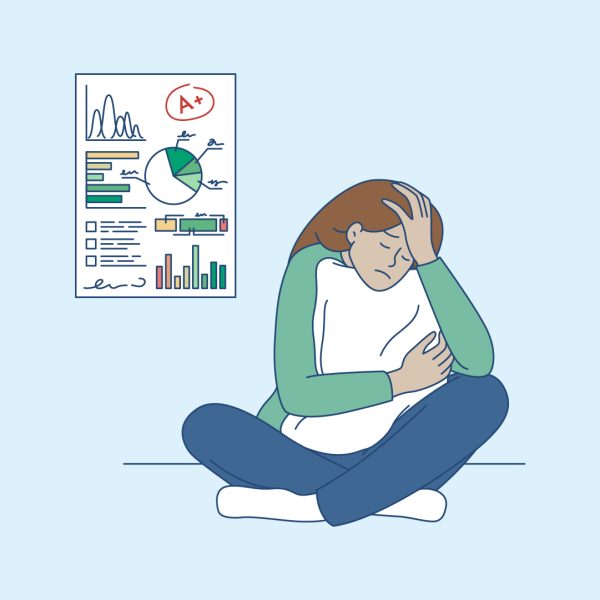
Over time, this disconnect can leave people feeling unheard, discouraged, or unsure how to move forward — especially when their concerns don’t seem to match what the numbers suggest.
The reality is that energy, mood, and metabolism involve multiple overlapping systems, not just a single lab marker.
While lab tests provide valuable information, they don’t always capture lived experience, daily resilience, or how well different systems are working together.
Lifestyle factors such as nutrition, stress management, sleep quality, and overall metabolic support can influence how someone feels, even when labs fall within reference ranges.
Symptoms aren’t something to dismiss — they’re signals worth discussing.
And for many, simply being listened to and taking a broader, whole-body view can be an important step toward feeling less stuck and more supported.
A Broader Perspective on Thyroid Health
Thyroid health isn’t about chasing a single lab number.
It reflects a dynamic, interconnected system — influenced by hormones, nutrition, stress, sleep, and individual biology.
When we move beyond common misconceptions and look at the full thyroid-hormone pathway, things start to make more sense.
And with understanding comes confidence.

KEY IDEA
Thyroid health is more complex than a single lab number. Many people continue to experience low energy, brain fog, or feeling “off” even when routine thyroid tests fall within reference ranges. This often reflects common misconceptions that overlook how thyroid hormones interact with metabolism, nutrition, stress, sleep, and other systems in the body. TSH provides useful information, but it doesn’t show how thyroid hormones are produced, converted, or used throughout the body. Diet, lifestyle factors, and individual biology can all influence these processes. People also respond differently to thyroid medications, which is why personalized, provider-guided care matters. Taking a broader, whole-body perspective can help individuals feel more informed, better heard, and more confident asking the right questions about their thyroid health.