
Have you heard about Vitamin B1 (thiamine) and its connection to thyroid health?
If so, you’ve probably heard about how it can help support energy and reduce fatigue.
Don’t get me wrong…
That’s a great benefit.
Who doesn’t want more energy?
But the truth is that increased energy is only one of the many reasons thyroid sufferers have become interested in thiamine lately.
It just happens to be the only one anyone talks about.
Especially among people searching for natural ways to support thyroid function, metabolism, and daily energy levels.
And honestly, that’s a shame.
Because when it comes to supporting healthy thyroid function, metabolism, and day-to-day energy…
There are some surprisingly important benefits that most people — including many practitioners — completely overlook.
Today, I’m going to share with you three — maybe even four — lesser-known ways thiamine may help support healthy metabolism and thyroid function.
But before I do…
It’s important to understand something most people have never been told about thiamine deficiency in the first place.
Why Vitamin B1 Matters for Thyroid Health and Metabolism
Until more recently, it was commonly believed that Vitamin B1 (thiamine) deficiency was rare and mostly found among alcoholics.
But newer research has started to reveal something very different beneath the surface.
Studies have explored low thiamine status in a surprisingly wide range of chronic health conditions — including metabolic disorders, digestive conditions, and issues involving energy production.

The crazy thing is…
Even blood tests may not always tell the full story.
In other words, it’s not always about how much thiamine is floating around in your bloodstream…
It’s about whether your cells can actually use it.
Sound familiar?
Because this is very similar to what we see with thyroid hormone itself.
Your body can have adequate thyroid hormone, but if your body can’t use it properly, you can still feel exhausted, foggy, cold, and stuck.
That’s why we have to focus on the entire Thyroid Hormone Pathway, and not just medication or the hormone itself.
And sadly, this is where so many people get misled.
They’re told everything looks “normal”…
Yet they still feel terrible every single day.
It’s not your fault.
The problem is that most people are never taught to think about thyroid health at the cellular level.
And that’s exactly where thiamine becomes so important.
How Vitamin B1 Supports Thyroid Energy Production
We focus heavily on supporting healthy oxidative metabolism — or what we often call healthy carbohydrate metabolism.
Why?
Because this is where your body turns food into usable cellular energy.
And when this process slows down…
Everything slows down with it.

- Energy production…
- Mental clarity…
- Stress resilience…
- Even your ability to properly use thyroid hormone.
Vitamin B1 plays a critical role in thyroid metabolism and efficient cellular energy production.
Without proper metabolic support, your body becomes less efficient at converting carbohydrates into energy.
And when that happens…
Your body starts relying more heavily on stress hormones and backup fuel systems just to keep you functioning.
This is one reason so many people with low thyroid function feel tired all the time — even when they’re eating “healthy” and trying to do everything right.
In many cases, the issue isn’t just thyroid hormone itself — it’s whether the body can properly use energy at the cellular level.
Here’s the problem…
Most conventional advice focuses almost entirely on thyroid hormone itself.
But thyroid health is about far more than just hormone production.
It’s about whether your cells can actually produce energy efficiently.
The better you support healthy metabolism, the better your body can support steady energy production and healthy thyroid function.
And that’s where Vitamin B1 becomes incredibly interesting.
Because energy is only the beginning…

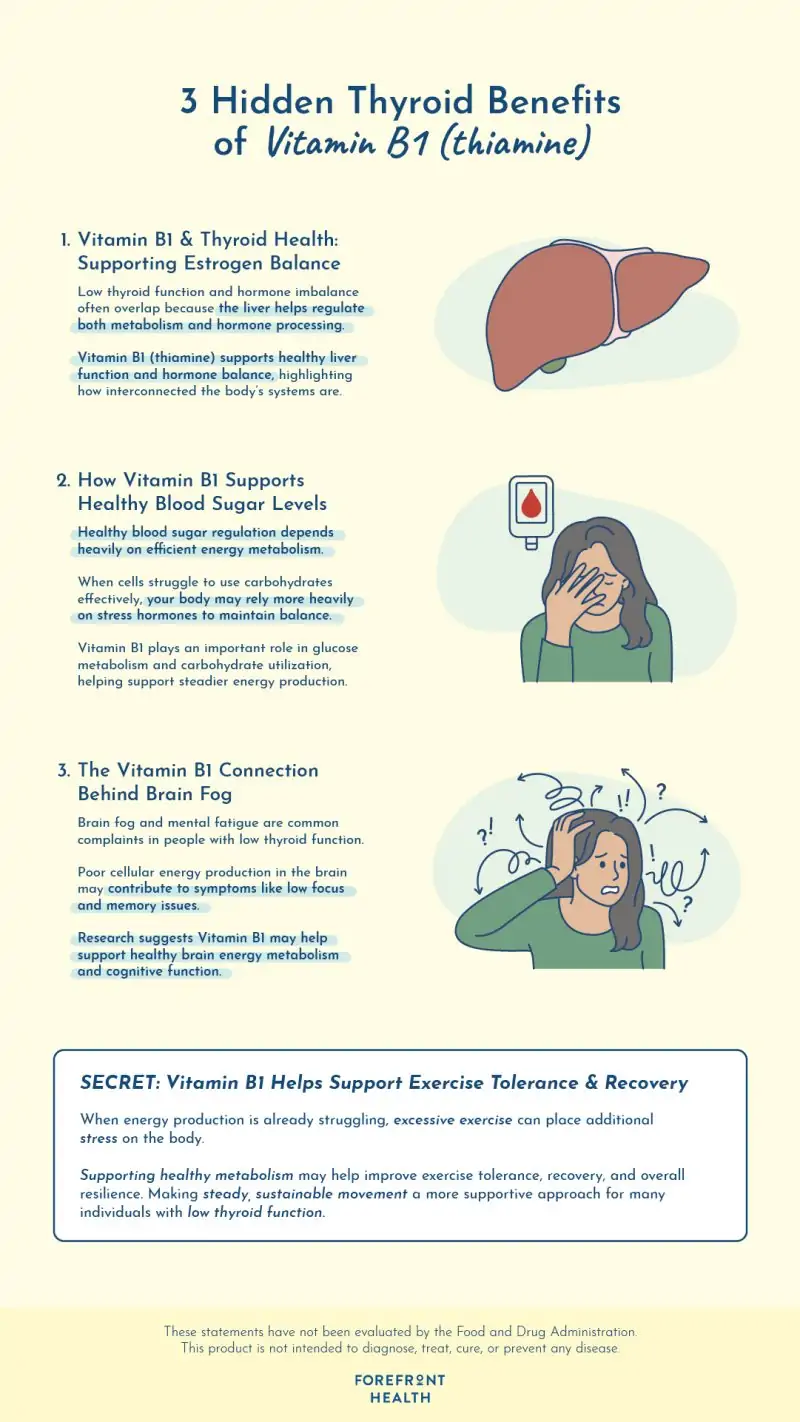
3 Hidden Thyroid Benefits of Vitamin B1
1. Vitamin B1 and Thyroid Health: Supporting Healthy Estrogen Balance
Most people don’t realize this, but low thyroid function and estrogen imbalance often go hand-in-hand.
Why?
Because the liver plays a massive role in both metabolism and hormone processing.
(NOTE: Want to learn why your liver is key to your thyroid health? Check out our article on the liver thyroid connection.)
And when metabolism slows down, the liver often struggles to keep up too.
Vitamin B1 (thiamine) can help maintain healthy estrogen levels by supporting liver function.
Now, this doesn’t mean thiamine works alone.
Far from it.
Research has shown that other B vitamins — especially Vitamin B2 (riboflavin) — also play important roles in supporting healthy hormone balance and liver function.
In other words…
This is another reminder that the body works like a system — not isolated parts.
And this is one reason we so often see thyroid sufferers dealing with symptoms associated with estrogen imbalance at the same time:
- Weight gain…
- Fluid retention…
- Low energy…
- Mood changes…
- And feeling like your metabolism has completely stalled out.

These are some of the most common complaints we hear from people struggling with thyroid-related hormone imbalance.
It’s all connected beneath the surface.
2. How Vitamin B1 Supports Healthy Blood Sugar Levels in Thyroid Sufferers
Here’s another connection most people miss…
Blood sugar instability and low thyroid function also tend to go hand-in-hand.
And sadly, many people are taught to blame sugar alone without understanding what’s really happening underneath the surface.
The crazy thing is…
Your ability to regulate blood sugar depends heavily on healthy metabolism.
If your cells struggle to efficiently use carbohydrates for energy, your body often compensates by increasing stress hormones to keep blood sugar stable.
And over time…
That can leave you feeling shaky, exhausted, anxious, hungry all the time, or completely drained after meals.
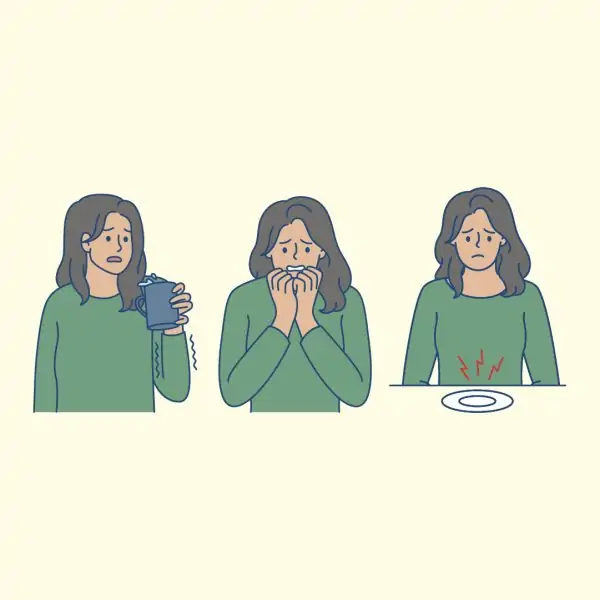
This is one reason blood sugar swings and thyroid fatigue are so commonly connected.
Vitamin B1 plays an important role in maintaining healthy blood sugar levels.
Research has shown that vitamin B1 (thiamine) supports healthy glucose metabolism and carbohydrate utilization — especially in people struggling with poor energy production.
And because carbohydrate metabolism and thyroid function are deeply connected, supporting one often helps support the other.
Again…
This is why we focus so heavily on supporting the entire Thyroid Hormone Pathway instead of chasing isolated symptoms.
(NOTE: Want to learn more about thyroid function and blood sugar balance? Check out our article on thyroid health and blood sugar regulation.)
3. The Vitamin B1 Thyroid Connection Behind Brain Fog and Mental Fatigue
Brain fog is one of the most frustrating symptoms we hear about from thyroid sufferers.
Many people searching for answers about the vitamin B1 thyroid connection are often struggling with focus, memory, and low mental energy too.
And if you’ve ever struggled to focus, remember simple things, or feel mentally “present”…
You know exactly how debilitating it can feel.
The scary part is that most people are told this is simply “part of getting older.”
It’s not.
In many cases, poor energy production inside the brain is a major piece of the problem.
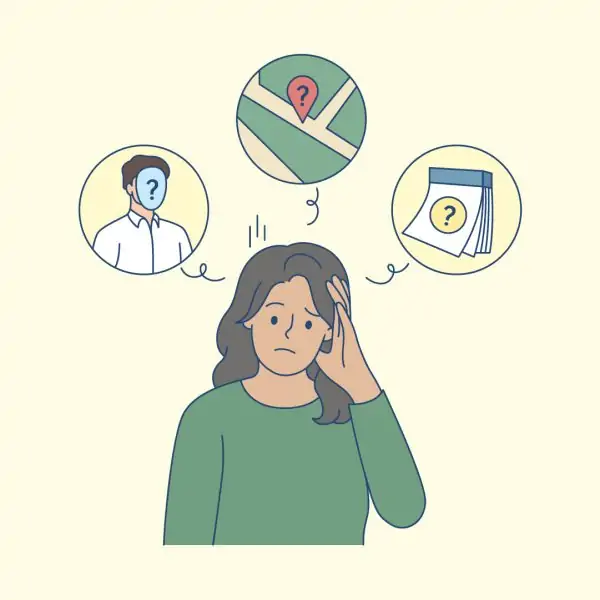
Excess ammonia often contributes to brain fog in people with low thyroid function.
This can happen when the body increasingly breaks down protein and muscle tissue for fuel instead of efficiently using carbohydrates for energy.
Studies suggest vitamin B1 (thiamine) may help support healthy ammonia balance to promote healthy brain function.
And when healthy metabolism improves…
Many people notice improvements in focus, memory recall, and mental clarity too.
Again, this comes back to the same core idea…
Healthy thyroid function is ultimately about healthy cellular energy production.
4. Why Vitamin B1 May Help Support Exercise Tolerance and Recovery
So, I decided to throw in one more hidden benefit of thiamine…
Because this one surprises a lot of people.
Many thyroid sufferers unknowingly over-exercise in an attempt to force weight loss or “speed up” their metabolism.
But here’s the problem…
When your body is already struggling to produce energy efficiently, excessive exercise can sometimes push the body into an even greater stress response.
And unfortunately, most people are never taught this.
They’re told to simply work harder.
Exercise more.
Push through the fatigue.
Ignore the warning signs.
But for many people with low thyroid function…
That approach can backfire badly.
Keep in mind — “over-exercising” is relative.
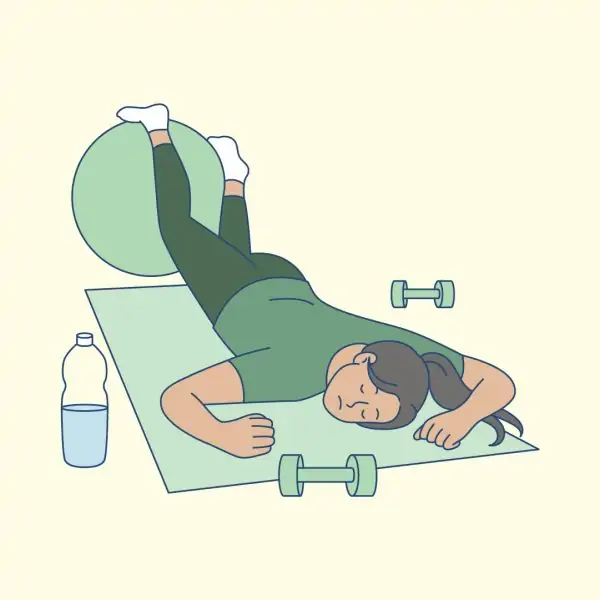
For some people, even moderate exercise may feel overwhelming when metabolism and energy production are already struggling.
Supporting healthy metabolism may help the body better tolerate physical activity and energy demands.
This becomes especially important for people dealing with chronic fatigue and low thyroid function.
And this is one reason many people often feel better focusing on steady, sustainable movement instead of constantly trying to push harder and harder.
Important Things to Know About Using Vitamin B1 for Thyroid Support
Now, there’s one important thing we should mention about supporting metabolism with vitamin B1 (thiamine)…
As metabolism increases, the body’s demand for fuel often increases too.
This is one reason some people notice they need more carbohydrates when supporting healthy metabolism properly.
And honestly…
That confuses a lot of people at first because they’ve spent years being taught to fear carbohydrates.
But here’s what most people never hear:
Your body needs fuel to produce energy.
Healthy thyroid metabolism depends heavily on having enough fuel to support proper cellular energy production.
Trying to “boost” metabolism without properly fueling it is like flooring the gas pedal in a car with an empty tank…
…it just doesn’t work.
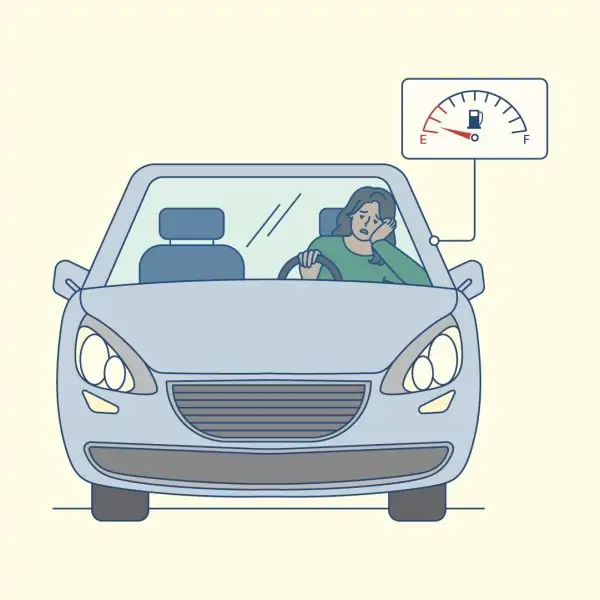
Which is why balance matters.
Why the Vitamin B1 Thyroid Connection Matters More Than Most People Realize
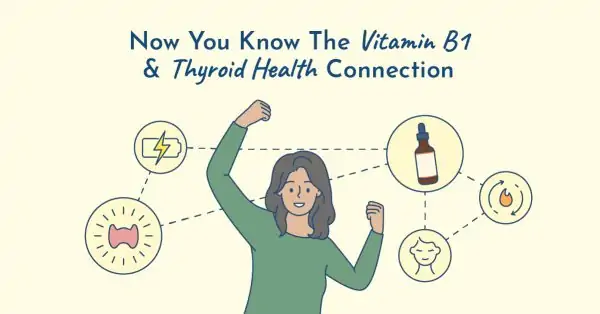
We covered a lot of benefits of vitamin B1 (thiamine) today, including how it may help support:
- Healthy metabolism and energy production
- Mental clarity and focus
- Healthy blood sugar balance
- Healthy hormone balance
- Exercise tolerance
- Overall thyroid and metabolic support
But don’t forget…
Many of these benefits depend on other nutrients working together properly too.
For example:
- Vitamin B2 helps support healthy hormone balance
- Other B vitamins help support healthy energy production
- Nutrient balance often matters more than mega-dosing a single nutrient
That’s why a balanced B-vitamin approach may provide broader thyroid and metabolic support.
Because at the end of the day…
Supporting thyroid health isn’t just about thyroid hormone itself.
It’s about supporting your body’s ability to properly produce, transport, and use energy at the cellular level.
That’s the piece so many people have been missing.
And this is why so many people are beginning to look beyond thyroid hormone alone and pay closer attention to nutrients involved in metabolism and cellular energy production.
KEY IDEA
Most people only think about Vitamin B1 (thiamine) as an energy nutrient. But many thyroid sufferers are discovering there’s much more to the story. In this article, you’ll learn how thiamine may help support healthy metabolism, blood sugar balance, mental clarity, hormone balance, and exercise tolerance — all of which play important roles in healthy thyroid function. You’ll also discover why so many people still feel exhausted, foggy, and stuck even when their thyroid labs look “normal.” Because in many cases, the deeper issue isn’t just thyroid hormone itself — it’s whether the body can properly produce and use energy at the cellular level.