
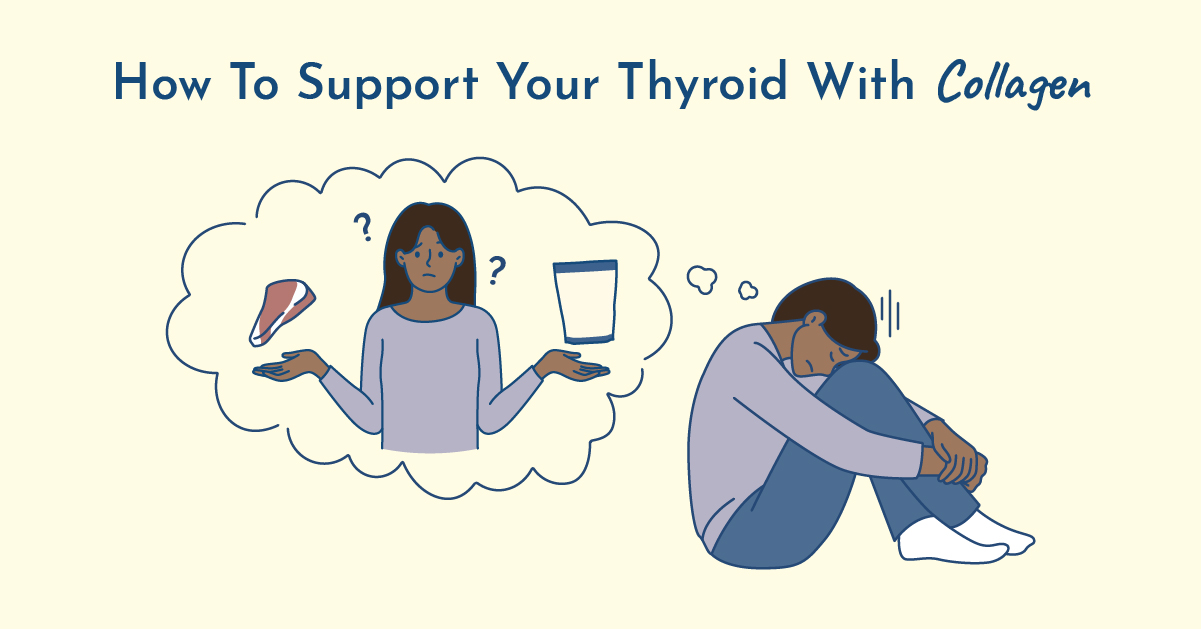
Are you getting enough collagen to support your thyroid health?
Before you answer that, you might be asking…
“What is collagen?”
Collagen is a special type of protein.
It’s the most abundant type of protein, accounting for roughly 35% to 50% of all protein in your body.
It plays a role in supporting thyroid health and thousands of metabolic processes occurring within your body every day.
Yet today, most people consume far less collagen than traditional diets once provided.
The main amino acid (protein building-block) in collagen is glycine.
Research suggests that glycine intake may be too low, prompting some scientists to recommend supplementation to support a healthy metabolism.
Given that collagen contains 29% glycine, it would take roughly 35 grams of collagen daily to meet these needs.
I’ll show you some easy ways to get more collagen into your diet in a minute.
First, I want to show you why getting 35 grams of collagen is important to your thyroid by covering five ways it helps support your thyroid health at various parts of your Thyroid Hormone Pathway.
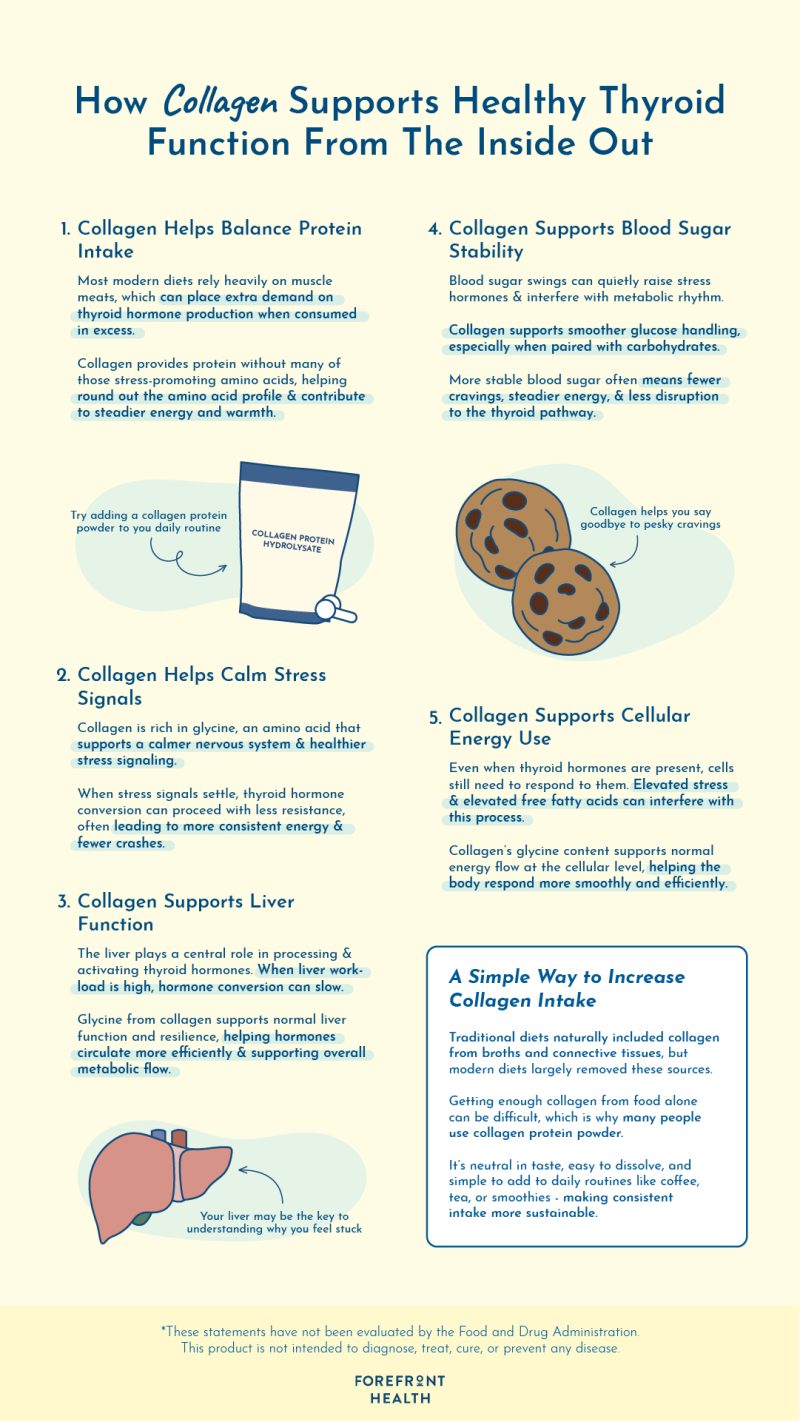
1. Collagen Helps Support Thyroid Hormone Production by Balancing Protein Intake
Here’s what everyone thinks…
“Protein is good. More is better.”
But what’s really going on beneath the surface is more complicated.
Most protein today comes from muscle meats.
Those meats are high in certain amino acids that — when over-consumed — studies suggest can place extra stress on thyroid hormone production.
That doesn’t mean meat is bad.

It means balance matters.
Collagen provides protein without many of those suppressive amino acids.
It helps round out your amino acid profile so your thyroid gland isn’t constantly working uphill.
Think of it like this…
If your thyroid is a factory, muscle meat alone creates friction in the system.
Collagen acts like lubrication — it doesn’t force production, but it makes normal output easier to maintain.
And when production improves?
You often notice:
- Slightly warmer body temperature
- More consistent energy
- Less of that “running on fumes” feeling
2. Collagen Supports Thyroid Hormone Conversion by Calming Stress Signals
Now let’s talk about stress…
Not emotional stress — but biological stress.
When stress hormones stay elevated, they are known to interfere with the conversion of inactive thyroid hormone (T4) into the active form (T3).
This happens primarily in the liver.
(Note: You might not know this, but your liver is a key player in supporting your thyroid health, which we discuss in detail in this article on “Why Your Liver May Hold the Key to Better Thyroid Support“.)
And here’s where collagen matters.
Because collagen is rich in glycine, it plays a role in calming the nervous system and supporting healthy stress hormone signaling.
When stress signals settle, thyroid conversion has more room to function normally.
In plain English?
Your body stops hitting the metabolic brakes all day long.
Many people notice:
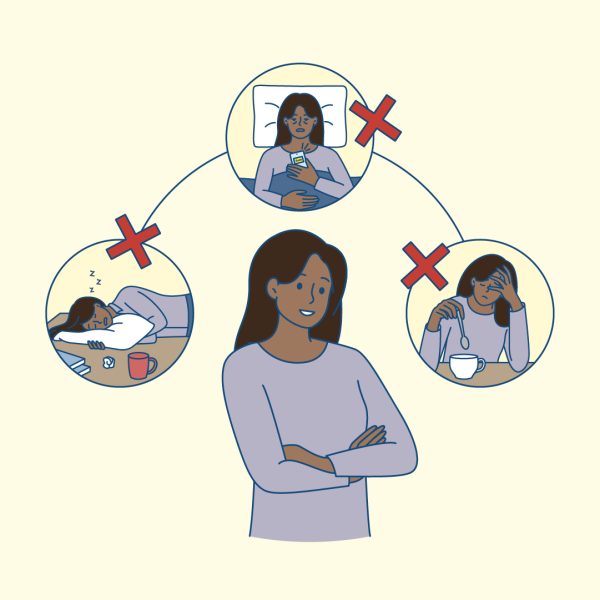
- Fewer afternoon crashes
- Better sleep quality
- Less wired-but-tired exhaustion
Again… this isn’t about forcing the thyroid.
It’s about removing unnecessary resistance.
3. Collagen Supports Liver Function and Thyroid Hormone Processing
Here’s something most thyroid conversations completely ignore…
Your liver is a major control center for thyroid hormone activity.
If the liver is overloaded, thyroid hormone conversion slows.
And one of the biggest sources of liver burden today?
Endotoxin — byproducts from gut bacteria that place extra demand on detox pathways.
Collagen, being rich in glycine, also supports normal liver function and resilience.
It helps the liver process hormones and metabolic byproducts more efficiently.
When the liver functions better:
- Thyroid hormones circulate more effectively
- Estrogen clearance improves
- Metabolic sluggishness often eases
This is why so many women feel stuck despite “doing everything right.”
The pathway is blocked upstream.
4. Collagen Supports Blood Sugar Stability and Metabolic Rhythm
Here’s another truth that surprises people…
Blood sugar instability can quietly interfere with thyroid function.
When blood sugar swings up and down, stress hormones rise.
And when stress hormones rise, metabolism slows.
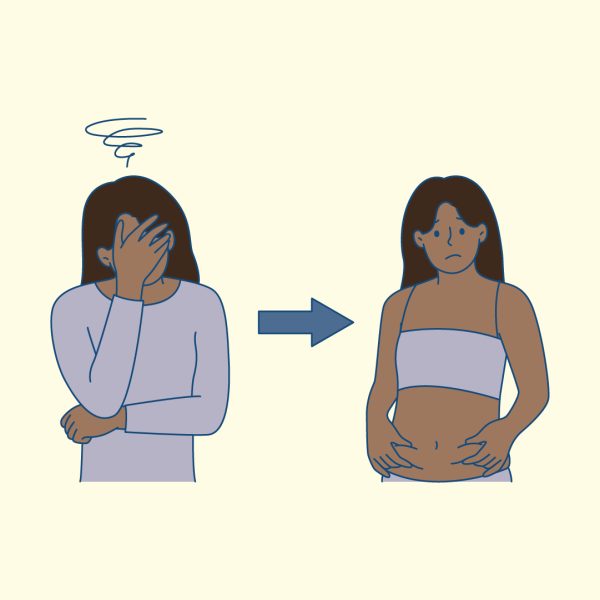
Collagen supports smoother glucose handling — especially when carbohydrates are eaten.
That’s why we often pair collagen with carbs in practice.
Not because sugar is the enemy.
But because unstable blood sugar is.
You may experience:
- Fewer cravings
- More steady energy
- Less shakiness or discomfort between meals
When blood sugar stabilizes, the thyroid pathway works with less interference.
5. Collagen Helps Support Cellular Use of Thyroid Hormone
Here’s a detail most people never hear…
Even when thyroid hormone is present, your cells still have to use it.
Elevated free fatty acids — common during stress, under-eating, or metabolic slowdown — can interfere with thyroid hormone signaling at the cellular level.
Glycine plays a role in supporting normal fat metabolism and energy flow.
When cellular support improves:
- Cells respond more efficiently
- Energy production becomes smoother
- That “pushing through mud” feeling starts to lift
This is often where people say, “I finally feel like my body is responding again.”
How to Increase Collagen Intake (Without Overcomplicating It)
Traditional diets naturally included collagen from:
- Homemade Broth (from gelatinous meats/bones)
- Gelatinous cuts of meat
- Skin, cartilage, and connective tissue
Modern diets removed all of that.
And getting enough collagen from food alone is difficult.
For example, it would take roughly 6 to 7 cups of gelatinous homemade broth daily to get the amount of collagen you should aim for.
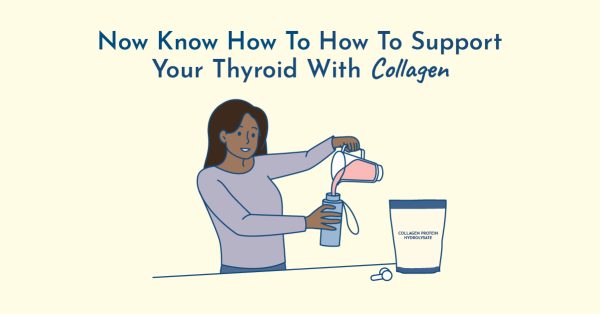
That’s why many use collagen protein powder as a practical tool.
Not only is it less expensive than preparing traditional collagen-rich foods.
It dissolves easily.
It’s neutral in taste.
And it can be easily added to:

- Coffee
- Tea
- Juice
- Soups
- Smoothies
It’s simple, consistent, and sustainable.
Here’s what matters most…
Thyroid health isn’t just about medication or lab values.
It’s about supporting the entire Thyroid Hormone Pathway so hormones can be produced, converted, and used efficiently.
Collagen isn’t an overnight fix.
But it is a missing metabolic input for many.
And when that gap is filled?
Things often start working again… quietly, steadily, and naturally.
Your next step:
Start paying attention to foundational inputs — especially protein balance and collagen intake — before assuming your thyroid has “failed.”
You’re not broken.
You were just never shown the full picture.
KEY IDEA:
Most thyroid advice focuses on labs, medication, or hormone numbers — but that’s only part of the story. What really matters is whether your body can actually make, activate, and use thyroid hormones efficiently. Collagen plays a quiet but important role here. It’s the most abundant protein in the body and supplies glycine, which supports stress balance, liver function, blood sugar stability, and cellular energy. Because modern diets are often low in collagen, many people end up with extra metabolic friction. By bringing collagen back in — through food or supplements — you can help your thyroid pathway run more smoothly, so your body feels more responsive, resilient, and supported again.