
Everyone knows that protein is important for thyroid health.
But did you know that not all protein sources are created equal?
That’s right.
Simply getting more protein into your diet isn’t enough.
The source of that protein matters too.
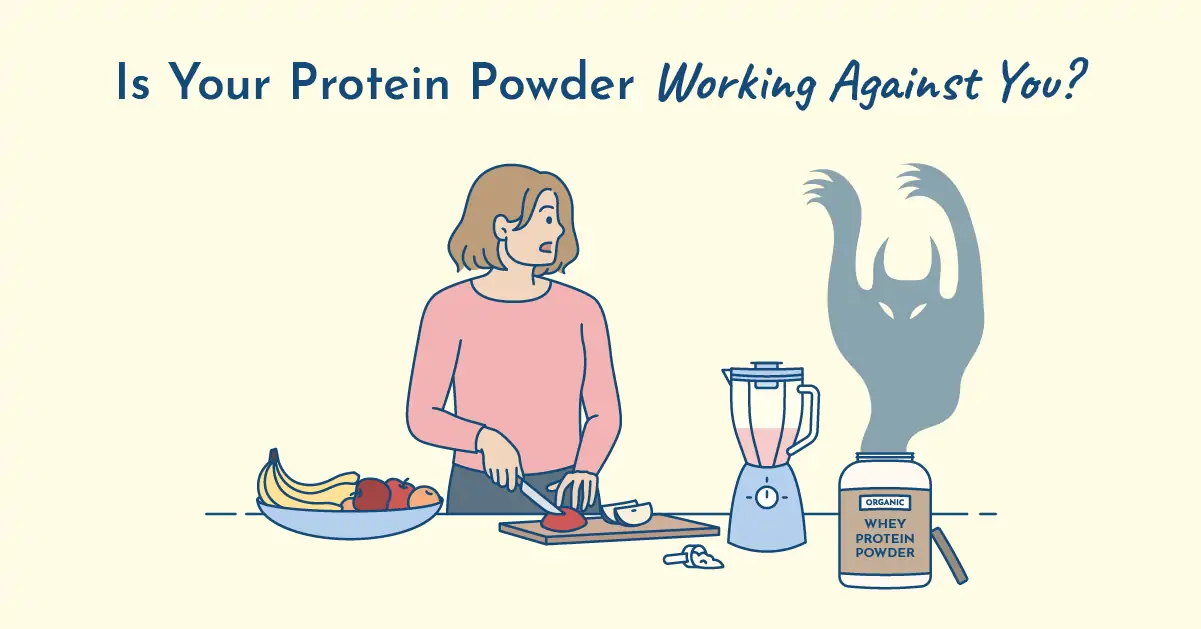
For those researching whey protein and thyroid health, understanding the differences between protein sources can be just as important as getting enough protein.
Some protein sources have different nutritional characteristics that may be more supportive of thyroid health than others.
Yet when it comes to protein powders, there are literally dozens of different options available.
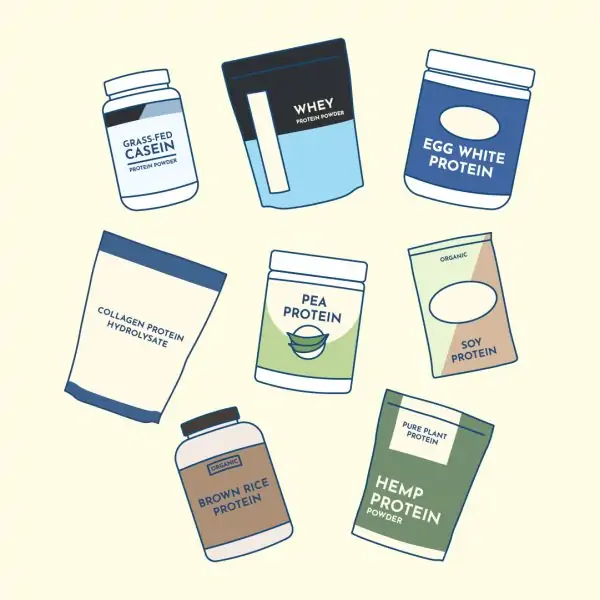
Many promise better energy…
More muscle…
Better recovery…
And even better health.
Whey protein is one of the most popular.
Whether you’re managing thyroid symptoms or simply trying to make healthier choices, it’s natural to wonder how whey protein and thyroid health may be connected.
But here’s the crazy thing…
If you’re struggling with ongoing thyroid symptoms, whey protein may not be the best choice for those looking to support thyroid health.
Sure, there are countless brands of whey protein, each claiming to be something special.
But here’s what most people never stop to ask…
What if the problem isn’t the brand…
But the amino acid profile naturally found inside whey protein itself?
That’s exactly what we’re going to explore.
First, you need to understand this…
The Hidden Connection Between Whey Protein and Thyroid Health
When you’re struggling with low thyroid function, it’s easy to think of your thyroid as an isolated gland.
In reality, your thyroid is part of a much larger network of hormones, nutrients, and metabolic processes that constantly influence one another.
That’s why we often talk about thyroid-suppressive feedback cycles.
These are biological “loops” that can make it increasingly difficult to support healthy thyroid function once they become established.
For example, we’ve previously discussed the importance of breaking what we call the Thyroid-Serotonin Cycle.
The Thyroid-Tryptophan Cycle builds on that same concept.
Research has explored how certain amino acids may influence thyroid-related processes.
Take a look at this study:
Thyroid peroxidase activity is inhibited by amino acids
https://www.ncbi.nlm.nih.gov/pubmed/10719389“The inhibitory amino acids contain side chains with either sulfur atoms (cysteine and methionine) or aromatic rings (tyrosine, tryptophan, histidine and phenylalanine).”
In this laboratory study, researchers found that tryptophan was among several amino acids shown to inhibit thyroid peroxidase (TPO) activity under the experimental conditions studied.
Why does that matter?
Thyroid peroxidase is an enzyme your thyroid relies on to produce thyroid hormone.
While laboratory findings don’t necessarily predict how individual foods affect thyroid health in real-world settings, they do raise important questions about how different amino acid profiles may interact with thyroid-related processes.
And that’s where things become interesting…
Because tryptophan is an amino acid naturally found in many protein-rich foods — including whey protein.
Research suggests thyroid dysfunction may set off a chain reaction involving tryptophan metabolism, serotonin, and stress hormones.
As each step influences the next, the cycle may become increasingly self-perpetuating, making it more difficult to support healthy thyroid function.
It looks something like this:
- Low thyroid function may alter tryptophan metabolism.
- More tryptophan can be converted into serotonin.
- Serotonin can influence adrenocorticotropic hormone (ACTH).
- ACTH signals the adrenal glands to produce more cortisol.
- Elevated cortisol can increase muscle protein breakdown, releasing additional amino acids into circulation.
- That increase in circulating tryptophan may continue reinforcing the cycle.

In other words…
As this cycle continues, it may become increasingly difficult to support healthy thyroid function.
That’s why limiting dietary tryptophan may be one nutritional factor worth considering alongside an overall thyroid-supportive diet and lifestyle.
But what does this have to do with whey protein?
Everything…
Why Whey Protein May Not Be the Best Choice for Thyroid Health
You now know that dietary tryptophan may be one nutritional factor worth considering when looking to support thyroid health.
So naturally, the next question becomes…
What does whey protein do to your tryptophan levels?
As it turns out, researchers have studied exactly that.
Take a look at this study:
Whey protein rich in alpha-lactalbumin increases the ratio of plasma tryptophan to the sum of the other large neutral amino acids and improves cognitive performance in stress-vulnerable subjects
https://www.ncbi.nlm.nih.gov/pubmed/12036812“RESULTS: A significantly greater increase in the plasma Trp-LNAA ratio after consumption of the alpha-lactalbumin diet than after the control diet (P = 0.0001) was observed.”
In this study, researchers found that consuming whey protein increased circulating tryptophan by approximately 42%.
That’s an important finding.
Here’s why…
If different protein sources provide different amino acid profiles, and whey protein substantially increases circulating tryptophan, it’s worth asking whether that increase is the best fit for someone looking to support healthy thyroid function.
In other words…
If one of your goals is supporting thyroid health, choosing a protein source with a different amino acid profile may be worth considering.
So if whey protein isn’t always the ideal choice…
What is?
With our clients, we typically recommend a protein source with a very different amino acid profile.
That protein is collagen.
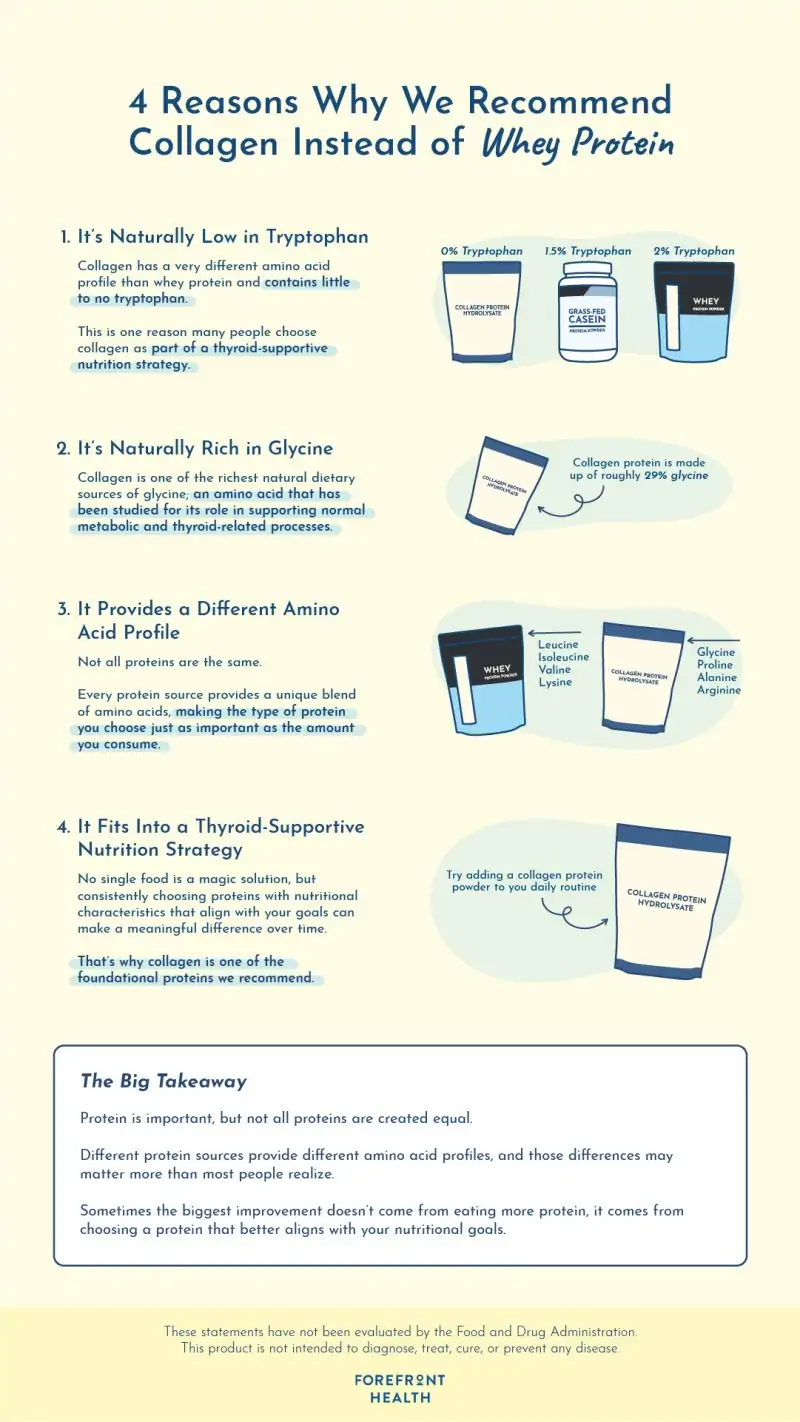
Comparing collagen vs. whey protein highlights just how different their amino acid profiles really are.
Why We Recommend Collagen Instead of Whey Protein
Collagen protein has a very different amino acid profile than whey protein.
That’s one reason many people looking for a protein source that supports thyroid health choose collagen instead.
And that’s one of the biggest reasons we recommend it to our clients.
Here’s why…
1. It’s Naturally Low in Tryptophan
Unlike whey protein, collagen contains little to no tryptophan.
If you’re looking to be more mindful of your dietary tryptophan intake, that difference alone makes collagen worth considering.
2. It’s Naturally Rich in Glycine
Collagen is one of the richest dietary sources of glycine.
In fact, collagen protein is made up of roughly 29% glycine, compared to about 1.8% in whey protein.
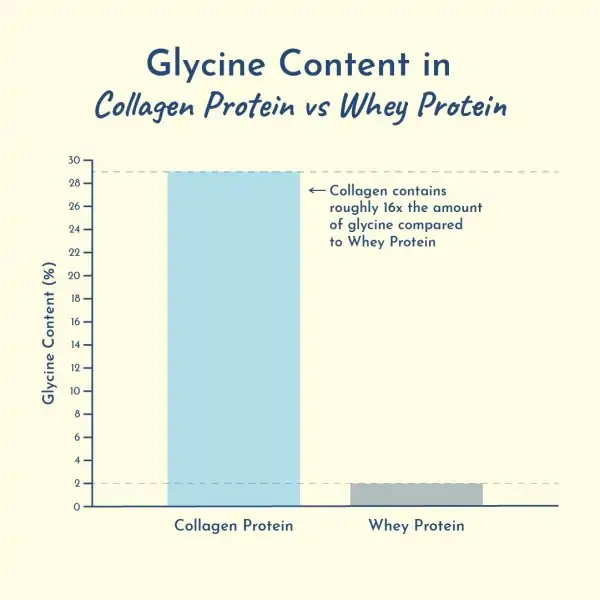
Why does that matter?
Glycine has been studied for its potential role in supporting normal metabolic and thyroid-related processes.
While glycine is found in many foods, collagen is one of the richest natural dietary sources.
That’s one of the reasons collagen has become a foundational part of our nutritional approach.
3. It Provides a Different Amino Acid Profile
Every protein source delivers a unique combination of amino acids.
Rather than simply focusing on total protein intake, we believe it’s equally important to consider the overall amino acid profile of the foods and supplements you consume.
For many people looking to support thyroid health, that’s a distinction that’s often overlooked.
4. It Fits Into a Thyroid-Supportive Nutrition Strategy
No single food or supplement is a magic solution.
But consistently choosing foods with nutritional characteristics that align with your goals can make a meaningful difference over time.
That’s why collagen protein has become one of the foundational proteins we recommend as part of a thyroid-supportive diet.
Choosing the Right Protein for Thyroid Health
If you’ve been wondering whether whey protein and thyroid health are connected, the answer is more nuanced than many people realize.
Protein is important.
But not all proteins are created equal.
If you’re struggling with ongoing thyroid symptoms, it may be worth looking beyond the amount of protein you’re eating and paying closer attention to the type of protein you’re choosing.
Different protein sources provide different amino acid profiles.
And those differences may matter more than most people realize.
If you’d like to learn more about why collagen plays such an important role in our nutritional approach, we cover this in our post on 5 Ways to Support Thyroid Health with 35 Grams of Collagen Per Day.
Because sometimes the biggest improvements don’t come from eating more protein…
They come from choosing a thyroid-friendly protein.

KEY IDEA:
Whey protein is often considered one of the healthiest protein sources available—but its unique amino acid profile may not be the best fit for everyone. In this article, we explore the research behind whey protein and thyroid health, including the role of tryptophan and why different protein sources may influence thyroid-related processes differently. You’ll also discover why we recommend collagen as an alternative, how its amino acid profile compares to whey, and what to consider when choosing a protein source to support your overall thyroid-friendly nutrition strategy.